
A Madison & Wall report says paid media will represent about 44% of brand-funded creator spending in 2026, or roughly $52 billion, making it the largest segment. Creator-led production represents 12% but is growing fastest. This does not mean every Taiwanese business should immediately spend more; it means creator partnerships should no longer be judged only by one post or organic reach.
The report describes several uses within the advertiser-funded creator economy. Putting paid media dollars behind existing creator content is now the largest segment, while sponsored posts and ambassador arrangements remain another major model. Creator-led production is the fastest-growing use, suggesting that the basic unit of a partnership is shifting from “buy one exposure” to “obtain reusable content and then decide how to distribute it.”
The change affects brands, creators, media agencies and production suppliers. Organic reach is vulnerable to platform algorithm changes, so follower count does not equal dependable delivery; paid amplification, in turn, cannot fix a mismatch between content and customer need. For Taiwanese businesses, the first question is not simply which creator is most popular, but whether the partnership buys an audience, an asset, or both—and whether the contract permits reuse in paid placements.

Millennium editorial analysis is that the central shift is not creator marketing replacing every other medium. Rather, brands are treating creator content as one layer of the media supply chain: it may provide an audience entry point, production and performance distribution at the same time. The report also says that spending is often pulled from traditional media, search, paid social, programmatic advertising and conventional production. If a company sees only market growth without redefining roles and measurement, it may count the same budget twice under different labels.
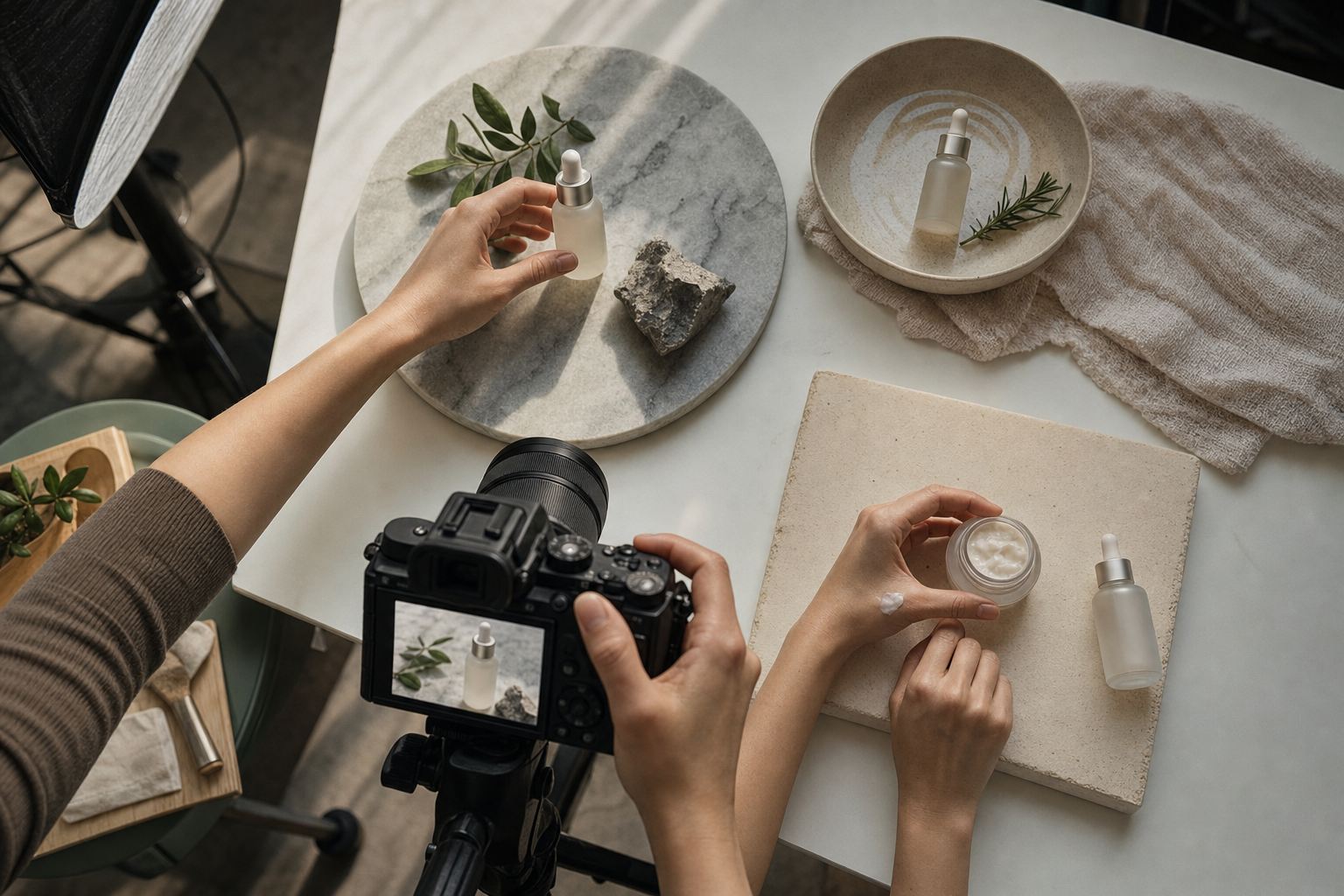
Hypothetically, a Taiwanese skincare brand that previously bought short-video production and social distribution separately could ask creators to produce three use cases, then put a small paid test behind the clearest one. That would not prove creators are automatically more effective than professional advertising. A sound comparison would examine product understanding, site behavior or purchase intent under comparable audience conditions, while also counting usage rights, revision limits and media scope in the cost.
Millennium's view:Millennium editorial analysis is that Taiwanese businesses should first build a mechanism to validate content assets and media distribution separately, rather than automatically increasing creator budgets. The reason is that paid media is the largest segment of brand-funded creator spending while creator-led production is growing fastest, and the money is often shifted from existing media and production lines. Without clear rights, asset versions, test audiences and commercial metrics, a business cannot tell whether an outcome came from the creator content, paid reach or the product itself. Separating the variables and testing at small scale provides better control over double counting, contractual risk and premature expansion.
A business can divide a creator partnership into content, media and commercial-result stages instead of using one view count for every decision. At the content stage, check whether the message is clear and the product is demonstrated accurately. At the media stage, identify which versions merit paid distribution. At the business stage, observe actions appropriate to the category, such as site visits, inquiries, trials or purchases. This also prevents a creator’s perceived trust from being mistaken for long-term brand performance.
The report notes continuing issues including fragmentation, inconsistent pricing, contractual delays, measurement gaps and ownership questions around data and intellectual property. Taiwanese businesses should specify before contracting whether content may be edited, which media it may run on, for how long, who keeps the source files and how content is paused if it becomes unsuitable or disputed. A practical approach is to test one product, one audience and a limited period before shifting more traditional media or production budget.
Suggested action 1:Separate the next partnership into production, creator-audience and paid-media budget lines, and list permitted media, duration and editing rights in the contract. Use a completeness checklist to record the three cost types, rights and source-file delivery before launch, with a traceable record for every test.
Suggested action 2:Choose one product and a defined audience, produce two or three creator-content versions, and run paid distribution for selected versions over a limited period. Compare predefined actions such as qualified views, product-page visits, inquiries or add-to-carts across versions under the same period and audience conditions.
Suggested action 3:After the test, conduct a budget review that evaluates production cost, media cost and future reuse value separately before moving budget from other channels. Create a closeout record covering rights duration, asset usage, cost per defined action and pause conditions, and use it as the threshold for expansion.

Source:Marketing Dive — Paid media now plays largest role in brand-funded creator growth: report(2026-11-18,Taipei time)。Analysis: Millennium Strategy editorial team. Images are AI-created illustrative scenes.
Related reading and services:Influencer and KOL marketing · Creator collaboration and measurement。