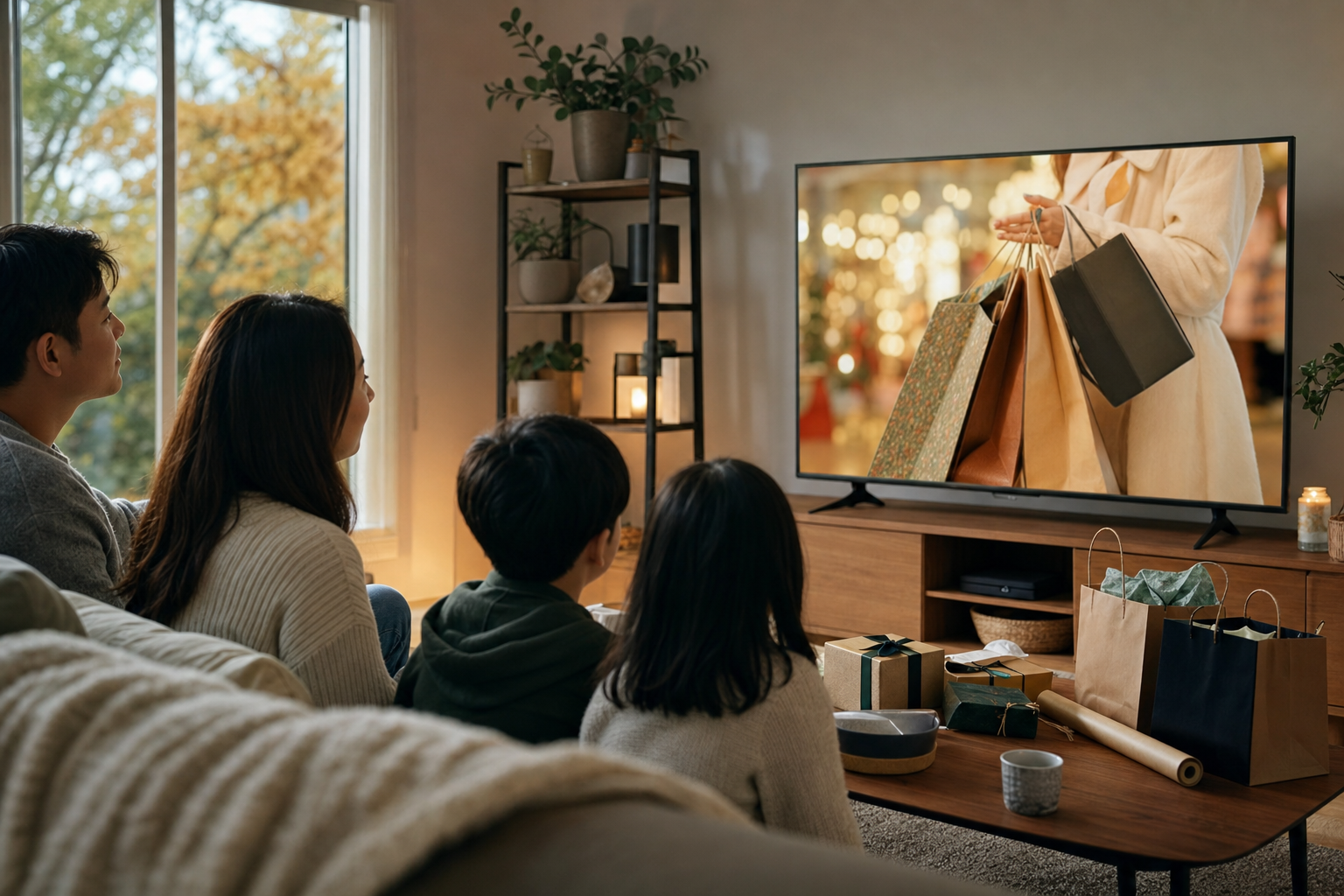
Holiday advertising is shifting from a concentrated fourth-quarter burst to a longer, earlier communication cycle. Citing Nielsen analysis, Marketing Dive reported that September holiday ad volume in 2026 was six times the level of the same period in 2021 and 11% higher than September 2025; retailers accounted for 63.7% of holiday ads in October. These are not Taiwan media figures, but they suggest a local planning question: if consumers receive seasonal messages before the main shopping period, brands need to reconsider the order of content, media and conversion measurement.
The central change is that holiday advertising is moving from a concentrated push near the shopping peak toward September and October. Nielsen’s analysis also found retail leading other categories across streaming and linear television; more than one-third of retail ads reviewed over the past five years mentioned events such as Black Friday or Cyber Monday. These are industry observations from the report, not a schedule that every market should copy.
For Taiwanese businesses, the affected groups include not only retailers but also cosmetics, department stores, restaurants and brands seeking year-end household or high-spending shoppers. The report says Nielsen’s 2025 connected-TV benchmark studies found holiday campaigns delivered a 3.2-times sales lift for cosmetics and 2.4 times for department stores versus non-holiday campaigns; restaurants and fast-food brands recorded 1.5 times and 1 time respectively. These are relative findings from the study, not guaranteed results for Taiwan.
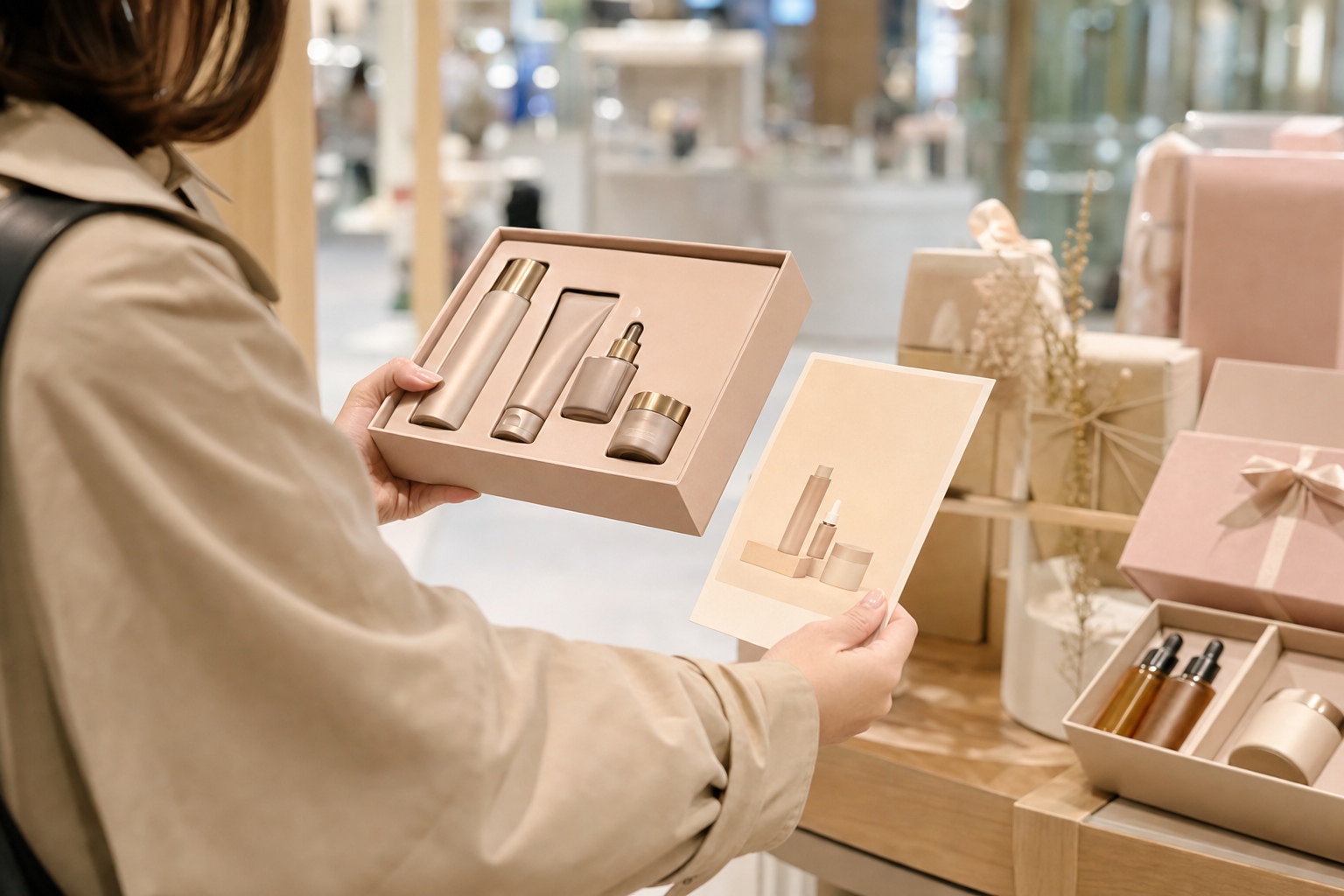
Millennium editorial analysis finds that the key issue in 2026 is not that every brand should discount earlier, but that holiday communication should be divided into different jobs. An initial phase can explain why the season matters; a second phase can clarify recipient, product differences and gifting situations; closer to the purchase peak, the brand can test whether an offer or action actually reduces decision friction. If a brand only shouts price in September, its message may quickly blend into competing promotions.
This judgment connects with the report’s description of consumers remaining cautious amid inflation. Some retail campaigns have shifted toward more thoughtful and personalized gifting rather than price alone. Hypothetically, a Taiwanese skincare brand might use September short videos to explain gift choices by skin type, add product information in October and introduce a clear bundle in November. That is a testable hypothesis, not a reported case, and it cannot by itself imply a sales increase.
Treating linear television and streaming television as one undifferentiated exposure bucket can also mislead. The report says retail leads in both environments, while automotive has declined in linear television and represents a larger share of streaming. Millennium’s recommendation is to first identify the viewing context in which the audience encounters the message, then compare each medium’s contribution to search, store visits, add-to-cart behavior or return visits rather than allocating budget from reach alone.
Millennium's view:Millennium editorial judgment: Taiwanese businesses should move forward seasonal content planning and measurement, not merely start discounts earlier. The reasoning is that the report shows holiday advertising extending into September and October, with retail leading both television environments. As competition lasts longer, a single promotional message is more likely to fatigue. Businesses should first build gifting relevance and product understanding, then use staged, comparable tests to determine which media and content deserve extension. This is Millennium’s independent editorial analysis, not the publisher’s position or a performance guarantee.

The practical question for a business is whether its own purchase cycle already begins before the main promotional dates and whether its data can distinguish between seeing seasonal content early and completing a purchase later. Without separately recording media exposure, product-page interaction, store inquiries and transactions, earlier advertising can add cost without showing which communication stage worked.
A business should first test one category or gifting situation at limited scale while keeping an existing promotional point as a comparison, rather than moving the entire year-end budget forward. Hypothetically, a restaurant could test an early holiday video against a later redemption message and observe visits, redemptions and repeat visits among different exposure groups. It should not attribute a one-week revenue change directly to advertising without a comparison.
Finally, businesses should manage “earlier” and “more frequent” separately: the former concerns calendar timing and audience preparation, while the latter concerns fatigue and creative rotation. The report says holiday ads represented 1% of all linear-TV ads in September, suggesting competition may spread across a longer period rather than only a few year-end weeks. For Taiwanese brands, a stoppable and comparable staged test is safer than extending holiday promotions blindly.
Suggested action 1:Divide the holiday campaign into early contextual content, mid-stage product understanding and late promotion; test one category first instead of moving the entire budget forward. Record product-page interaction, inquiries, add-to-cart behavior or redemption rate for each stage and compare them with an unexposed or original-timing group.
Suggested action 2:Track linear television and streaming television separately by audience and exposure context, then examine their effects on search, visits and return visits. Compare weekly brand-search activity, store actions or return visits between each media-exposed group and a control group rather than relying only on total reach.
Suggested action 3:Set stoppable creative-rotation and fatigue checks for early advertising so the same promotional message is not repeated continuously from September onward. Track completion, engagement, negative responses and subsequent actions weekly; replace or pause a version when engagement falls while negative responses rise.

Source:Marketing Dive — Holiday TV ads from retailers arrive earlier, more frequently in 2026(2026-11-17,Taipei time)。Analysis: Millennium Strategy editorial team. Images are AI-created illustrative scenes.
Related reading and services:Advertising management · Advertising strategy and measurement。