
Marketing Dive reports that L’Oréal-owned CeraVe partnered with Dune: Part Three and its studios to become the “Official Moisturizer of Arrakis.” The campaign begins with social-first humor and expands into paid, creator, digital, retail, out-of-home and experiential activity, supported by market-specific dermatology expertise and local activations. It is not a single placement, but an integrated method for connecting an entertainment world to a product-use situation.
The partnership is not simply product placement. It borrows Arrakis’s extreme dryness and scarcity of moisture, then places the moisturizer inside a joke audiences can understand. The report describes a behind-the-scenes-style “Sandworm Wrangler” video and a reimagining of the film’s lore, followed by paid media, creator gifting, retail, out-of-home advertising and premiere events.
The change affects more than brand teams. Content teams need an entry point that works in social feeds, media teams need to plan the next contact, and retail and experience teams must preserve the same idea when people encounter the product. The report also says the global partnership will be paired with market-specific dermatologists and local activations, showing that a global theme and local credibility must coexist.
As a hypothetical example, if a Taiwanese skincare brand partnered with an overseas entertainment property, a first video focused only on licensing and celebrities might leave consumers remembering the film but not the product. A stronger information path would use dryness to earn attention, then explain use occasions and product evidence before directing people to a channel. This is a strategic illustration, not a reported Taiwan version of the campaign.
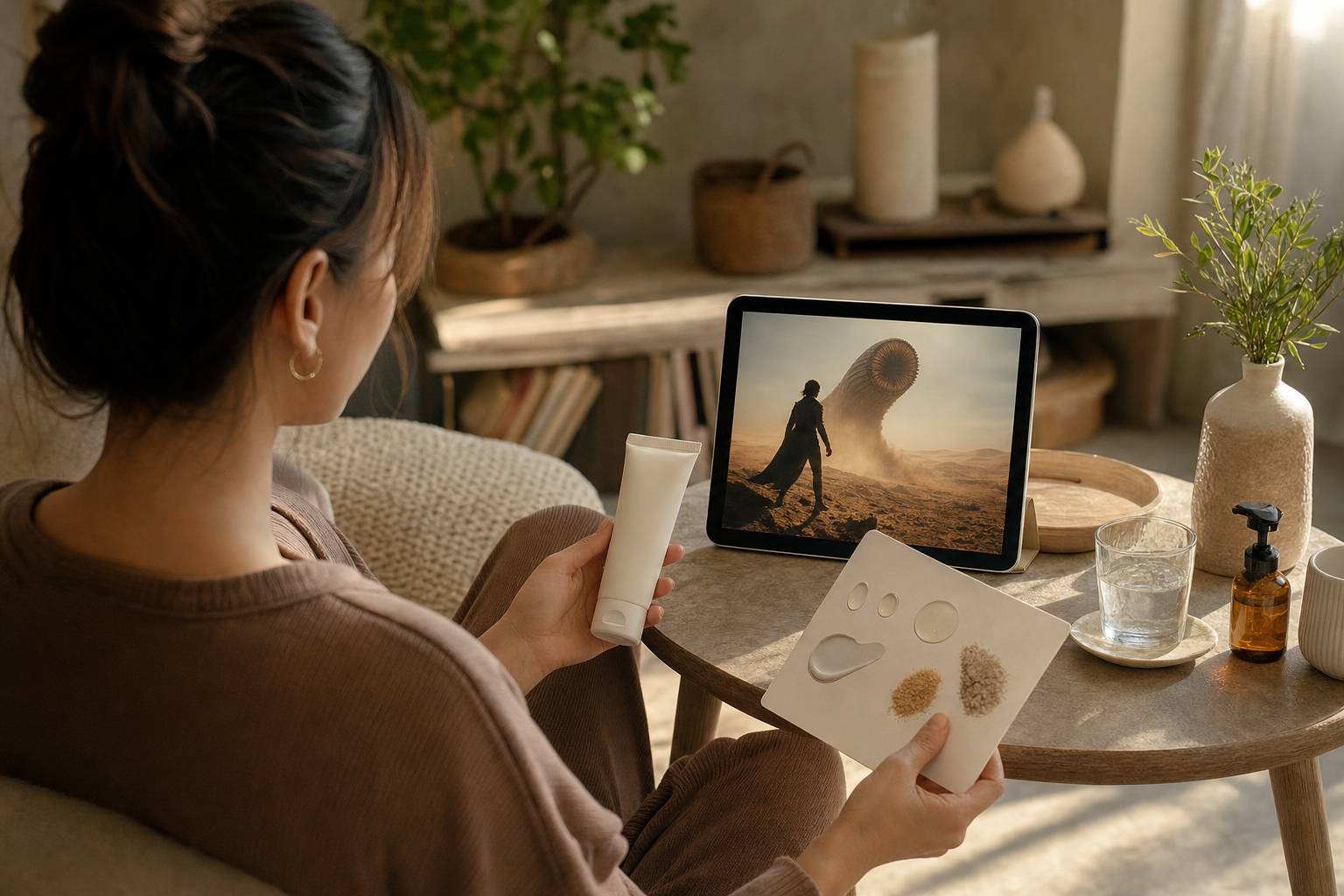
Millennium’s editorial judgment is that Taiwanese businesses should copy the sequence, not the film scale: create surprise in social content first, then use multiple channels to complete understanding. The report says CeraVe is extending its medutainment approach through Dune while using social, creators and local experts to maintain market relevance. Entertainment should serve the brand point of view, not replace it.
A major intellectual property can provide attention, but attention is not brand memory or purchase intent. Copying a desert, creature or celebrity may generate views without answering why consumers need the product now. Millennium’s analysis suggests checking three links first: whether the cultural symbol fits the audience, whether the entertainment naturally leads to product proof, and whether local creators can retell it without distortion.
As a hypothetical example, a Taiwanese food, wellness or beauty brand without film rights could create a funny but accurate short piece around a situation in which its product is commonly misunderstood, then close with expert explanation and a real-use demonstration. It may not generate the same reach, but it can more clearly test whether people remember the brand, the need or only the joke.
Millennium's view:Millennium editorial judgment: Taiwanese businesses should learn from CeraVe’s sequence of social surprise, product education and cross-channel handoff, not immediately copy a major film property or global production scale. The reason is that the report shows two things at once: entertainment partnerships can create attention quickly, but product evidence, creator translation and local expertise still complete understanding. For resource-constrained businesses, testing one audience, one content entry point and one channel handoff is more useful than filling every medium at once.
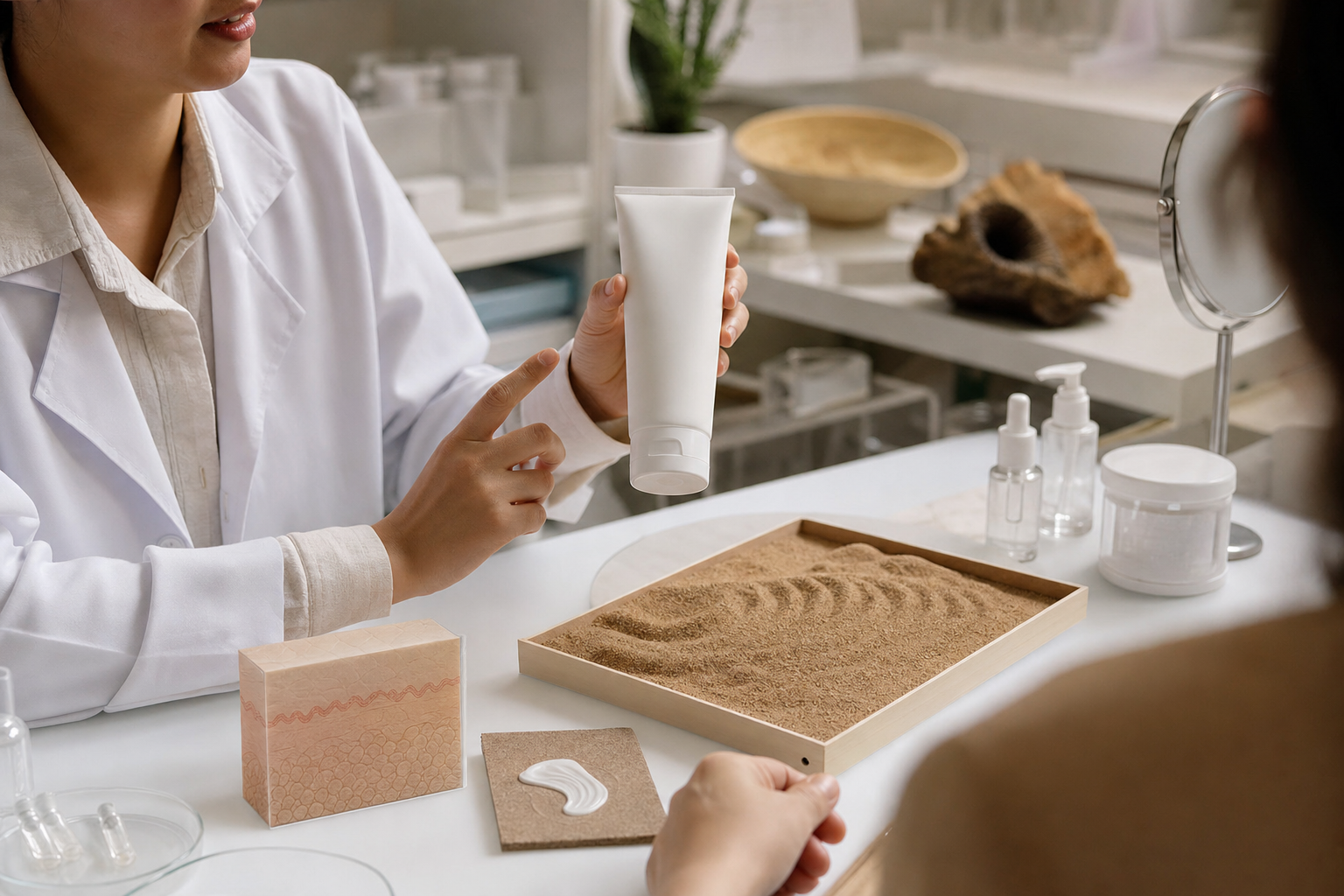
When evaluating a similar partnership, a Taiwanese business should not begin by asking how much exposure it can buy. It should map the consumer path: see the content, understand the product, find a purchase or consultation entry point, and return to usage feedback. The reported campaign spans social, paid, creator, retail and experiential channels; businesses can learn from that division of roles without assuming every channel must be funded at once.
The second step is to set observable decision thresholds. A content test can check whether audiences correctly describe the product’s use; a landing-page or retail test can observe whether information is handed off smoothly; and creator partnerships can be reviewed for product evidence and required disclosure. These are proposed evaluation methods, not results reported for CeraVe, and they do not promise rankings, sales or conversion.
Only then should the market version be adjusted. A global idea can keep one core, while Taiwanese language, creator credibility, channel journeys and regulatory review require separate validation. If a small test shows that people remember only the film joke, the business should improve the product explanation and handoff before increasing media spend. If understanding and next actions improve together, broader content and experiences become more defensible.
Suggested action 1:Run a small content test with two social openings built around one clear product need, then ask audiences about product understanding and recall. Track the share of respondents who correctly describe the product use and the share who mention the brand rather than only the entertainment plot.
Suggested action 2:Create a content-to-channel handoff check by connecting the short video, product explanation and retail or landing-page entry into one path. Record the time needed to find product information, the number completing the next step, and the step where participants most often stop.
Suggested action 3:Create a joint review process for local creators and experts to check entertainment, product evidence and required disclosure before amplification. Use a pre-publication checklist to record product-claim accuracy, disclosure completion and revision rounds, then compare the types of substantive questions after publication.
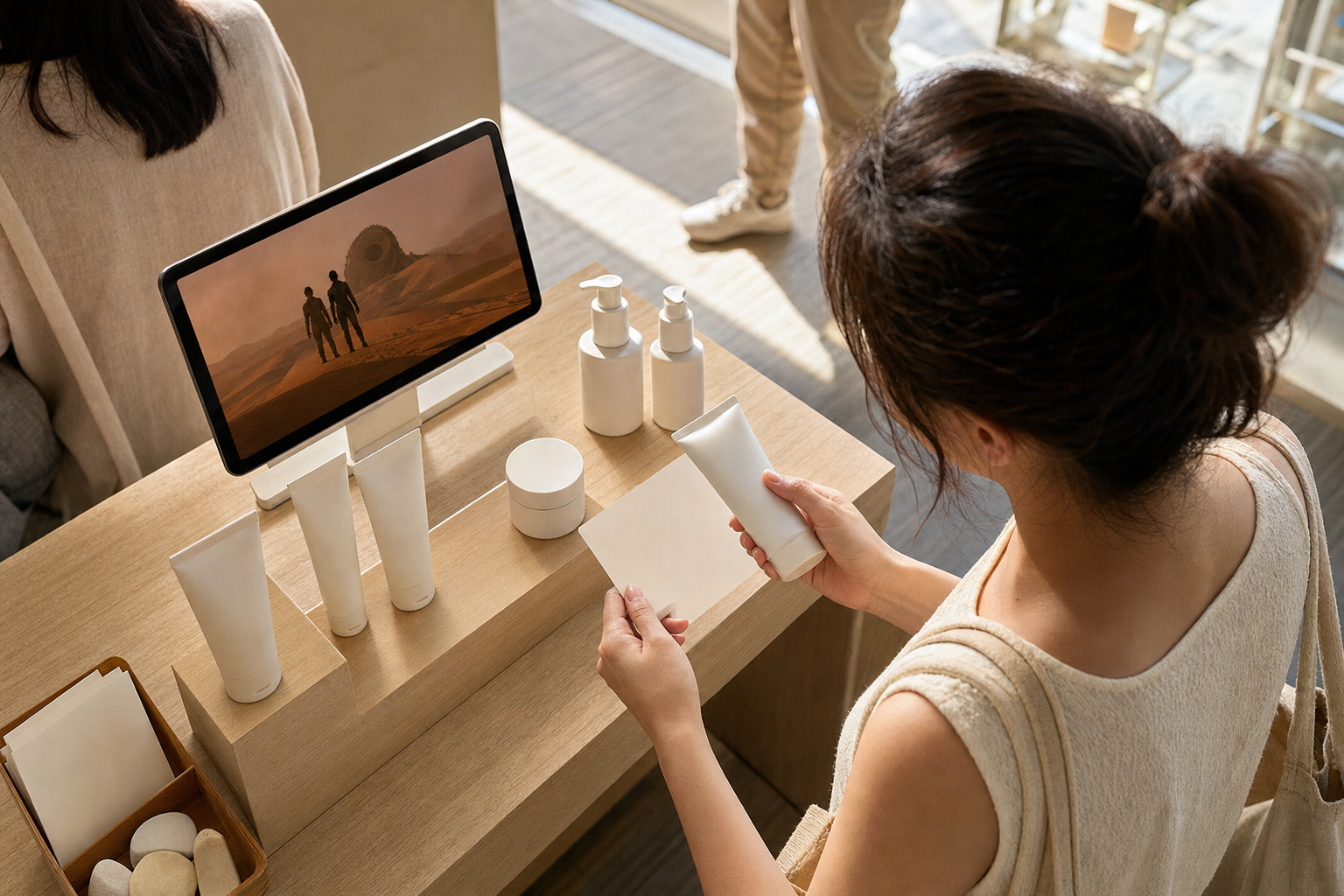
Source:Marketing Dive — How CeraVe’s ‘Dune’ deal takes the brand’s social-first playbook global(2026-11-16,Taipei time)。Analysis: Millennium Strategy editorial team. Images are AI-created illustrative scenes.
Related reading and services:Influencer and KOL marketing · Creator collaboration and measurement。