
Marketing Dive reports that Disney plans to run its first Super Brand Day from Nov. 4 to 10, bringing together Disney Store and more than 20 partner brands with creator storytelling, paid media and TikTok Shop-exclusive products as part of its holiday marketing. For Taiwanese businesses, the lesson is not to copy Disney’s IP scale, but to examine whether a customer inspired by short-form video can understand, trust and buy a product with fewer steps.
The plan is a scheduled activity, not proof that every product is broadly available in Taiwan or elsewhere. The experience is expected to combine Disney Store products inspired by Disney, Pixar, Marvel and Star Wars with more than 20 participating brands including Old Navy, Crocs, Touchland and ColourPop. Two Disney Store items are reported as limited-time exclusives before a later website release.
This arrangement compresses discovery, creator explanation, scarcity and checkout into one medium. A consumer may begin with a gifting scene or character interest in a video and then move to a product page. For businesses, content must now answer what the product is, who it suits and why the customer should consider it now, rather than simply send traffic elsewhere.
Taiwanese brands should not transfer the event’s timing, products or outcomes directly to the local market. The transferable lesson is operational: when content and commerce share an entry point, product information, inventory, customer service, returns and creator claims must remain consistent. A shorter path can otherwise magnify doubt.
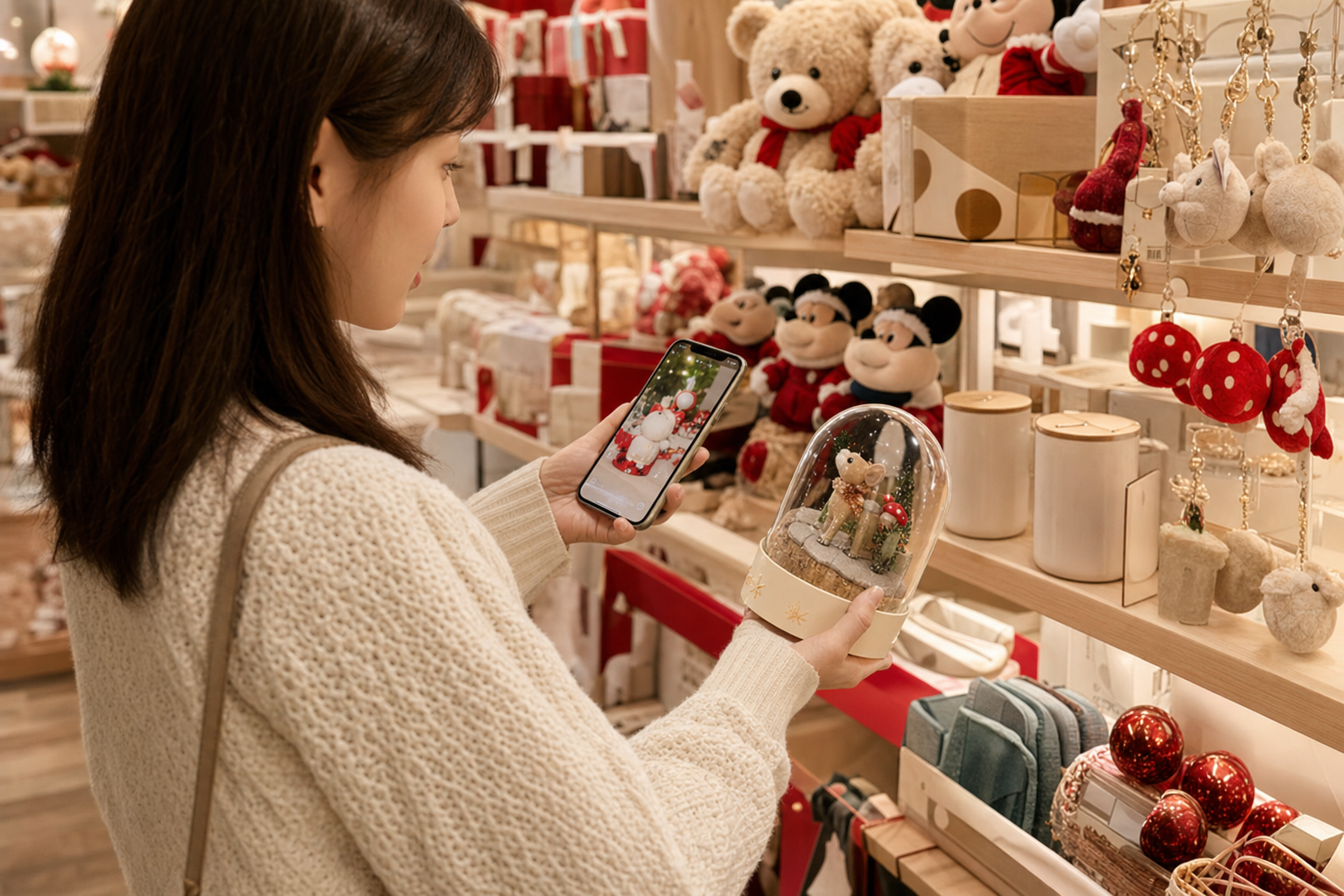
Millennium editorial analysis finds that the more useful lesson is not simply that a major brand is entering TikTok Shop. It is the construction of a trackable journey combining multiple brands, limited products and creator storytelling. If content only generates views while the product page only handles checkout, the gap in understanding remains; value comes when each step answers the question created by the previous one.
For example, a Taiwanese skincare brand applying this logic hypothetically might begin with a scenario about choosing a gift for a friend with sensitive skin, then make the product page explain the intended user, usage and limitations. This is a strategic hypothesis, not a real Disney case. Its value must be tested through product understanding and purchase behavior after viewing.
Exclusivity should not automatically mean pressure tactics. Millennium’s judgment is that scarcity can connect content with commerce only when it provides a clear reason to choose, while supply, delivery and after-sales commitments are explained. Otherwise, it may trigger suspicion about exaggerated promotion.
Millennium's view:Millennium editorial judgment: Taiwanese businesses should learn Disney’s continuity between content and commerce, not copy its platform, IP or limited exclusives. The reason is that Super Brand Day places multi-brand products, creator storytelling and TikTok Shop in one experience, requiring businesses to connect need creation, product understanding and purchase support. Without coordinated information, supply and after-sales planning, a shorter path will not necessarily create trust.

For Taiwanese companies, the first question is not whether to immediately join TikTok Shop, but whether a product can be triggered by short-form video and explained quickly on a product page. If it requires complex specification comparisons, extended trust-building or cross-border after-sales support, the company should design the content-to-service handoff before copying a limited-time exclusive.
A practical starting point is to select one clear need and a small product set, align the video, product page and customer-service language, and compare whether different creator narratives produce more meaningful product interactions. This does not promise higher revenue or predict Disney’s outcome; it is intended to expose decision gaps before media investment is expanded.
The next step is to feed post-campaign evidence back into product and content planning: which questions recur in comments, which information causes exits, and which products receive views without further action. Treating social commerce as an observable customer journey, rather than a holiday gimmick, gives a company a basis for better decisions.
Suggested action 1:Choose one specific gifting or usage need, produce two creator-story versions and send both to the same product-information page. During the same test period, compare product-page arrival, engagement with key information and qualified inquiry rates.
Suggested action 2:Align content, product-page, inventory, delivery and customer-service language, then test completion with a small product set. Record repeated-question rate, exits attributed to missing information and completed selections after customers reach the product page.
Suggested action 3:If using a limited or exclusive product, clearly state availability, later purchase arrangements and after-sales rules before testing its necessity with limited content. Compare saves, inquiries and purchase-intent behavior with and without the exclusivity message, while tracking supply and return questions received by customer service.
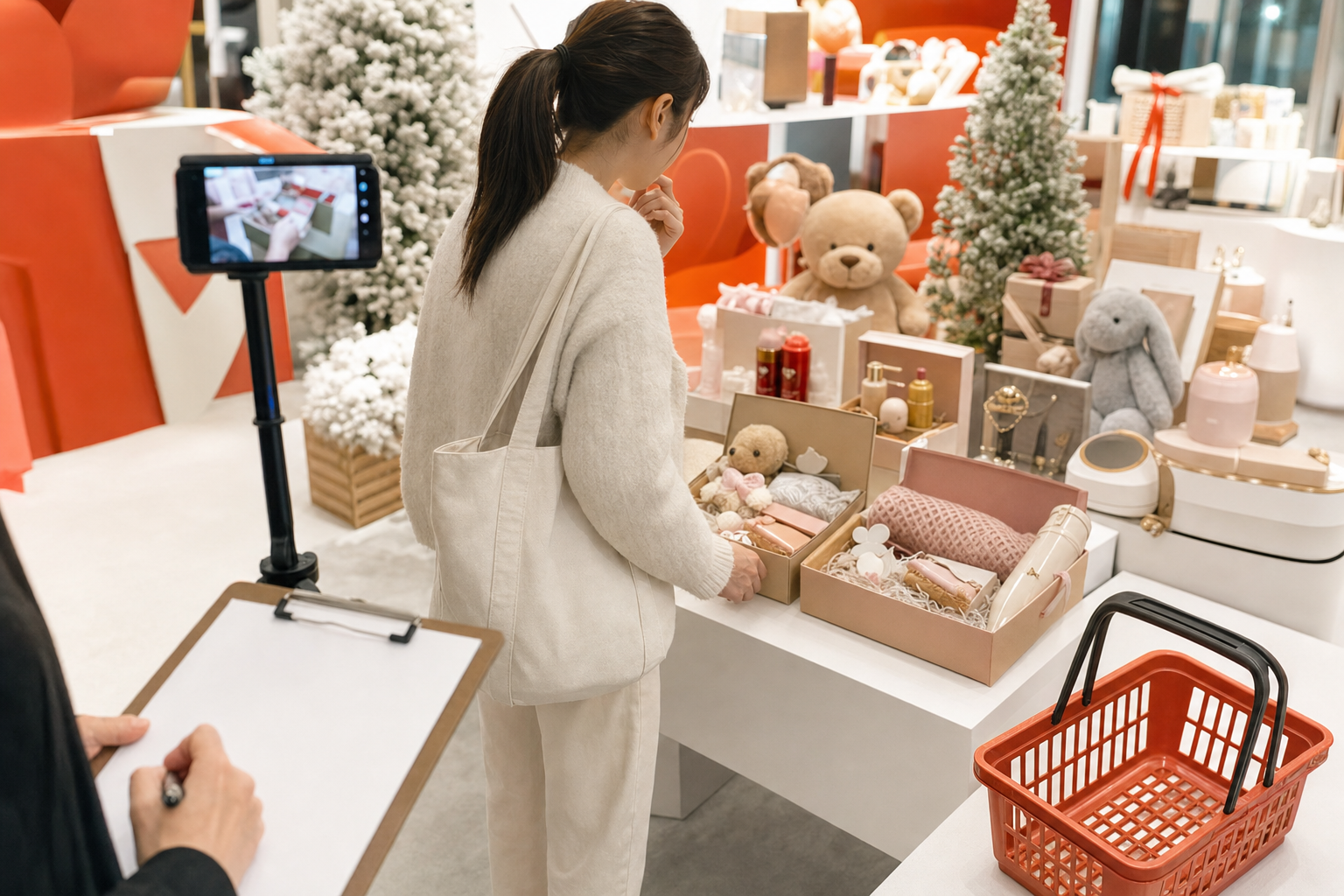
Source:Marketing Dive — Disney plans TikTok Shop holiday experience with over 20 brands(2026-10-29,Taipei time)。Analysis: Millennium Strategy editorial team. Images are AI-created illustrative scenes.
Related reading and services:Influencer and KOL marketing · Creator collaboration and measurement。