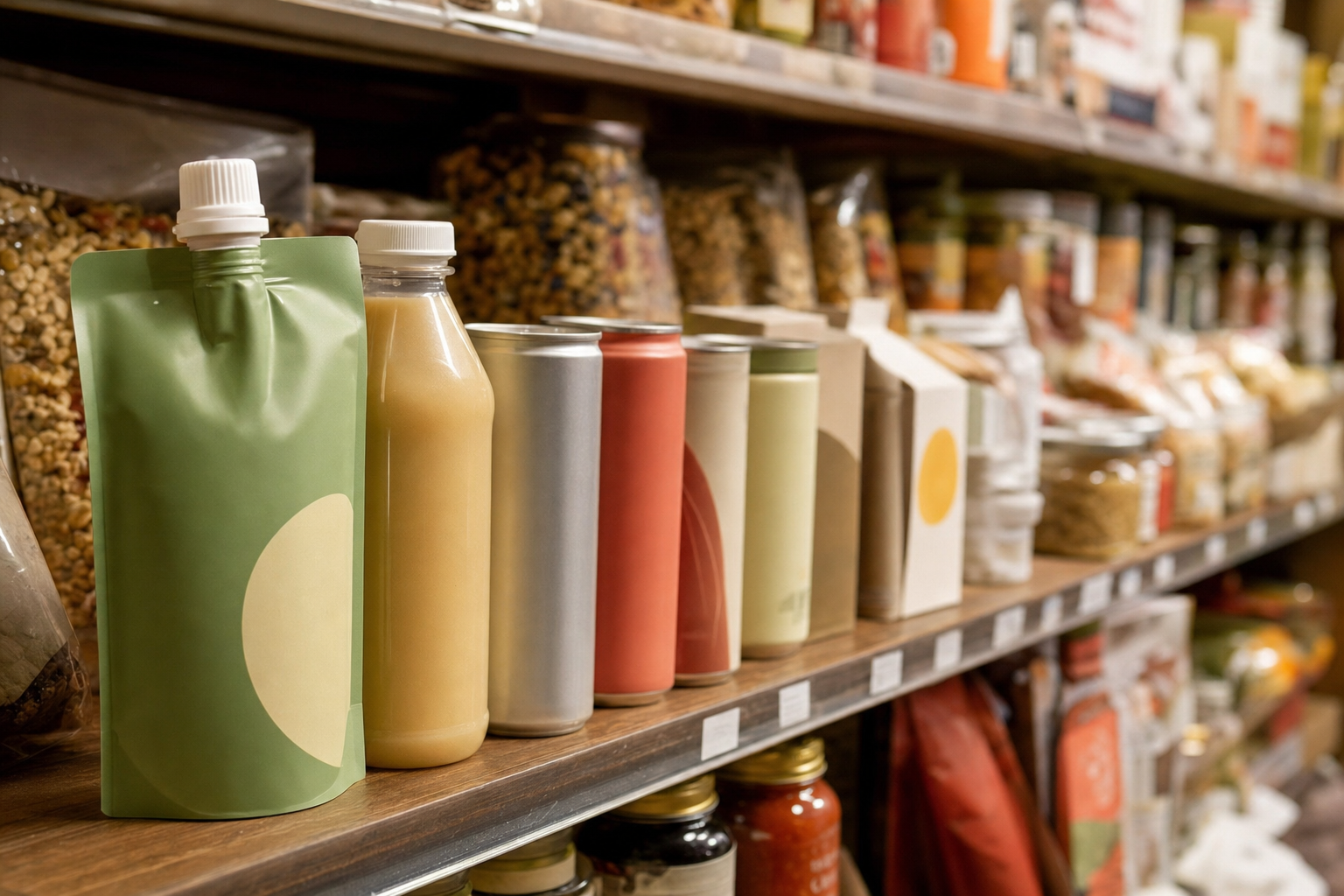
Marketing Dive reports that total CPG deal value doubled year over year in the first quarter of 2026 even as deal volume continued to decline. Recent acquisitions by Barilla, Ferrero, Unilever, Procter & Gamble and Constellation Brands involved challenger brands positioned around health, wellness or nonalcoholic beverages. The pattern is not simply portfolio expansion; it shows large companies seeking faster ways to connect with younger consumers through branding, packaging and formulation.
The transactions cited in the report span better-for-you macaroni, breakfast foods, gummy supplements, wellness products and nonalcoholic sparkling water. The report also notes that Graza disrupted olive oil with squeeze bottles instead of traditional glass containers, after which similar formats appeared on shelves. Together, these examples show that challenger value includes product form, packaging distinctiveness and a language that helps consumers understand the offer quickly.
For Taiwanese food, beverage and wellness companies, the implication is not that they should immediately look for an acquirer. It is that category logic may be changing. Hypothetically, a traditional food company could put a health claim on an existing snack, but without credible formulation, usage context and packaging evidence, the proposition may remain weak. Starting instead from how people pick up, store and share the product can create a more recognizable offer.

Millennium editorial analysis finds that the most useful lesson from challenger brands is not the squeeze bottle, bright color or anti-conventional slogan. It is the ability to turn an insight quickly into a consistent product, package and content experience. The report notes that even without a completed deal, legacy companies are being influenced by challengers’ approaches to marketing, packaging and formulation. That suggests the advantage is not an isolated idea but decision speed that can be recognized from development through shelf presentation.
This also explains why surface-level imitation often fails. Hypothetically, a Taiwanese brand might copy the shape of a popular category product without delivering the same convenience or a clear reason for its audience to care. Consumers may treat that as decoration. A more robust approach is to identify a specific friction—opening, storage, portion size or a health concern—and test a small packaging and messaging version to see whether the improvement is understood.
Millennium's view:Millennium editorial judgment: Taiwanese companies should treat challenger brands as a method for quickly validating products, packaging and cultural communication—not as visual styles to copy directly. The shared signal in the high-value deals and legacy companies’ responses is that the market is paying a premium for the ability to create a clear consumer reason faster. If a Taiwanese company buys media exposure without checking formulation, usage context, packaging comprehension and consistency across extensions, it may gain short-term attention without building a durable category advantage. Small-scale testing should therefore identify the effective product-and-communication combination before larger investment.
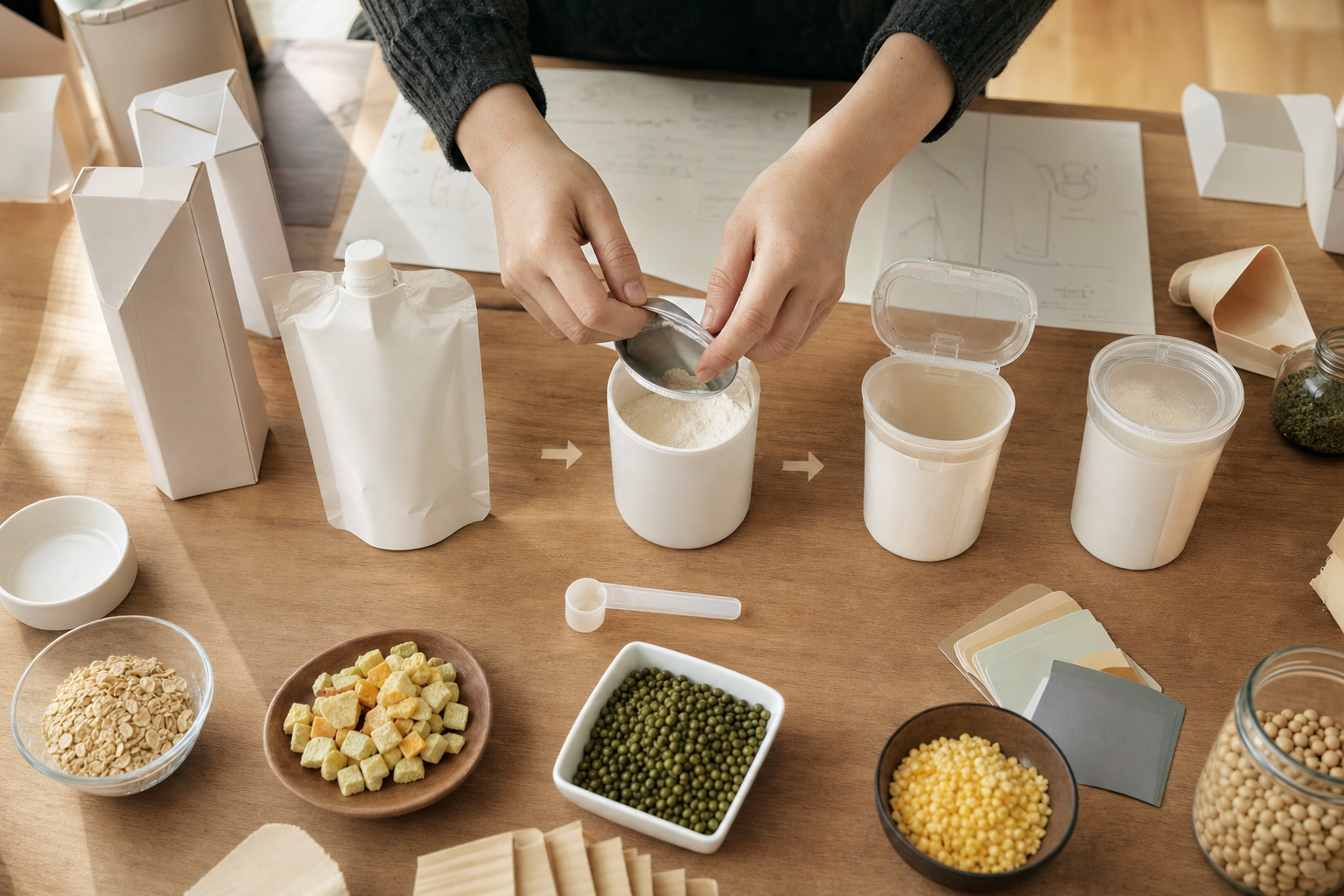
The first question is whether the product genuinely addresses a health, convenience or lifestyle need rather than merely using those words in advertising. The second is whether the package can explain its difference quickly on a shelf and in an e-commerce thumbnail. The third is whether the original audience can still recognize the brand’s core promise when it expands into a new product. These questions are more useful for Taiwanese companies than copying the look of an overseas brand.
A practical starting point is to choose one category and one clearly defined audience, then create two or three packaging or product-message versions and observe changes in comprehension, choice and follow-up questions. This does not guarantee sales growth or prove acquisition value. Its purpose is to show brand teams which insights deserve more investment in development, media and distribution, converting challenger speed into a manageable learning process.
Suggested action 1:Choose one category with a clear health, convenience or lifestyle need and create two or three small-batch product or packaging prototypes for target consumers to test opening, use and storage. Record for each version the proportion of consumers who correctly describe its main use, complete the task and raise questions, comparing versions under the same audience and conditions.
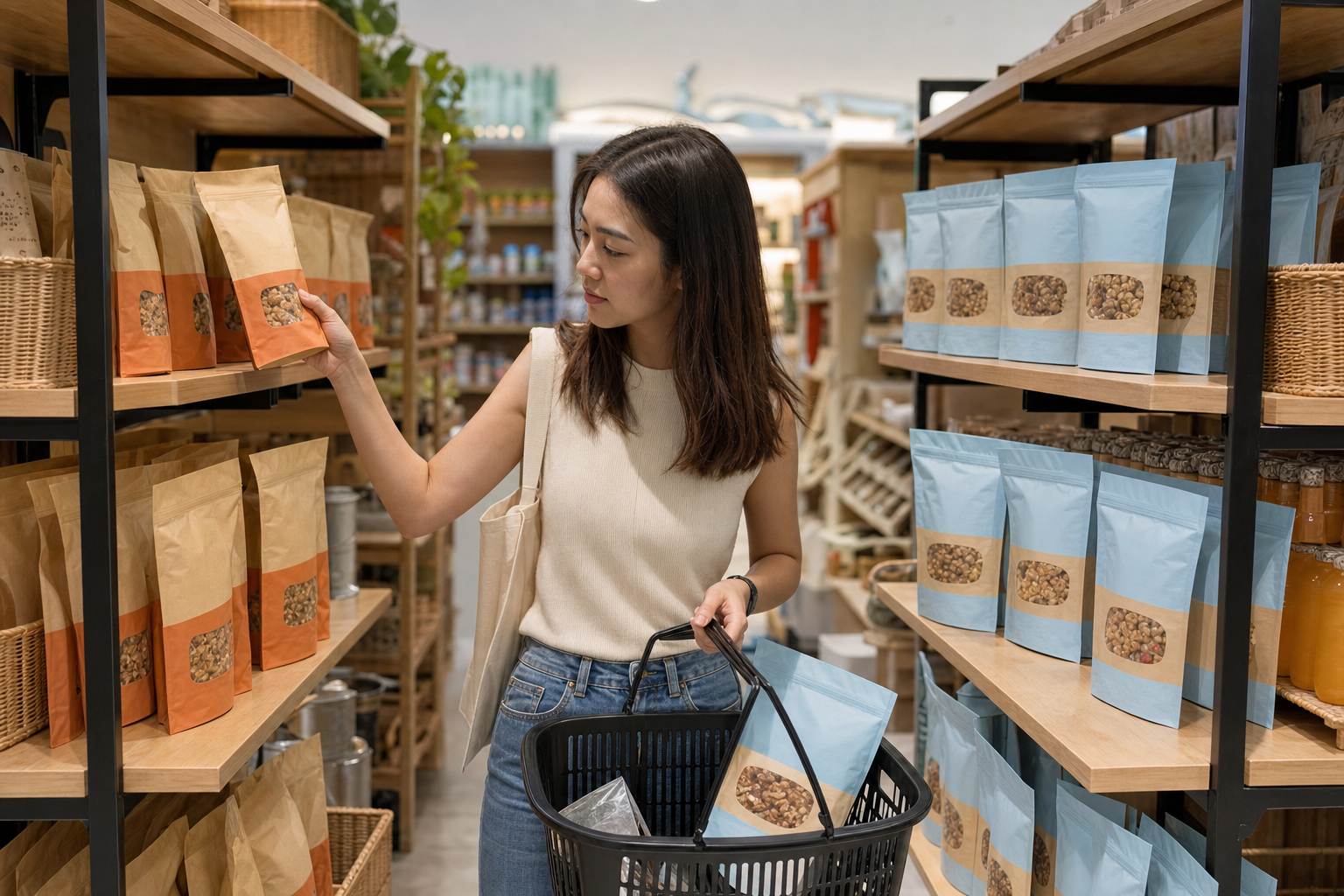
Suggested action 2:Treat the shelf and e-commerce thumbnail as the same comprehension test, using unbranded or de-identified materials to compare how quickly packaging communicates category, difference and usage context. Set a fixed viewing time and track the rate of correct answers about category, core difference and usage context, noting which information is most often misunderstood.
Suggested action 3:Before extending into a new product, define the brand’s core-promise checklist and ask existing and new audiences separately to review the product, packaging and content. Compare the consistency of spontaneous answers from both audiences about brand association, core promise and purchase reason, using follow-up questions to identify the main gaps.
Source:Marketing Dive — How CPG challenger brands are setting category marketing trends(2026-10-22,Taipei time)。Analysis: Millennium Strategy editorial team. Images are AI-created illustrative scenes.
Related reading and services:Brand content marketing · Brand positioning and marketing。