
On Oct. 14, Banana Republic debuted The Agency on TikTok, a five-part series in which Jack Innanen plays several employees at the fictional Travel & Tours agency and Taylor Ortega plays a consultant brought in to modernize it. The plot uses outdated equipment, eccentric staff and a transformation mission, while the characters’ wardrobes display the brand’s styles, fabrics and collections. It is the brand’s first channel-first original-programming effort, supported by owned-channel and behind-the-scenes content.
The Agency opens with “The Fax,” introducing the travel-agency staff, then extends the format through weekly episodes and behind-the-scenes content. The report says the first episode had reached 10 million views and the second more than 3 million at the time of reporting; those figures indicate exposure, not apparel sales or conversion among younger shoppers.
The change is that products become part of character and plot rather than merely the subject of a short product clip. Viewers may stay for the absurd workplace setting and then understand fabrics, silhouettes or collections through what characters wear. That affects not only social teams, but also merchandising, production and the teams responsible for measuring post-viewing behavior.

Millennium Global Marketing’s editorial judgment is that Taiwanese brands should not reduce this case to “hire actors and make a serial.” The report confirms Banana Republic’s five-part, TikTok-first original program and its connection to the brand’s heritage and entertainment-marketing direction; it does not establish that the view counts produced preference or sales.
Our independent analysis is that the transferable system has three layers: establish a situation that can generate recurring conflict, let product information emerge through character behavior, and give each episode a next step instead of optimizing only for a single spike. Hypothetically, a Taiwanese outdoor brand could make a series about an owner who cannot camp but must lead a trip. The test would be whether the plot helps viewers understand equipment use, not whether the brand imitates a large retailer’s comedic tone.
Millennium's view:Millennium Global Marketing’s editorial judgment is that the most useful lesson is not the TikTok sitcom format itself, but the integration of product, character conflict and serial viewing into one content system. Without extensible situations and a clear action test, original programming can become expensive exposure alone. The reason is that the report supports the launch of a TikTok-first, five-part program using a travel-agency plot to carry apparel presentation and reports its viewing figures at that time; it does not prove that views equal sales or conversion among younger audiences. Taiwanese businesses should therefore break the case into testable content propositions, first checking product understanding before expanding production.
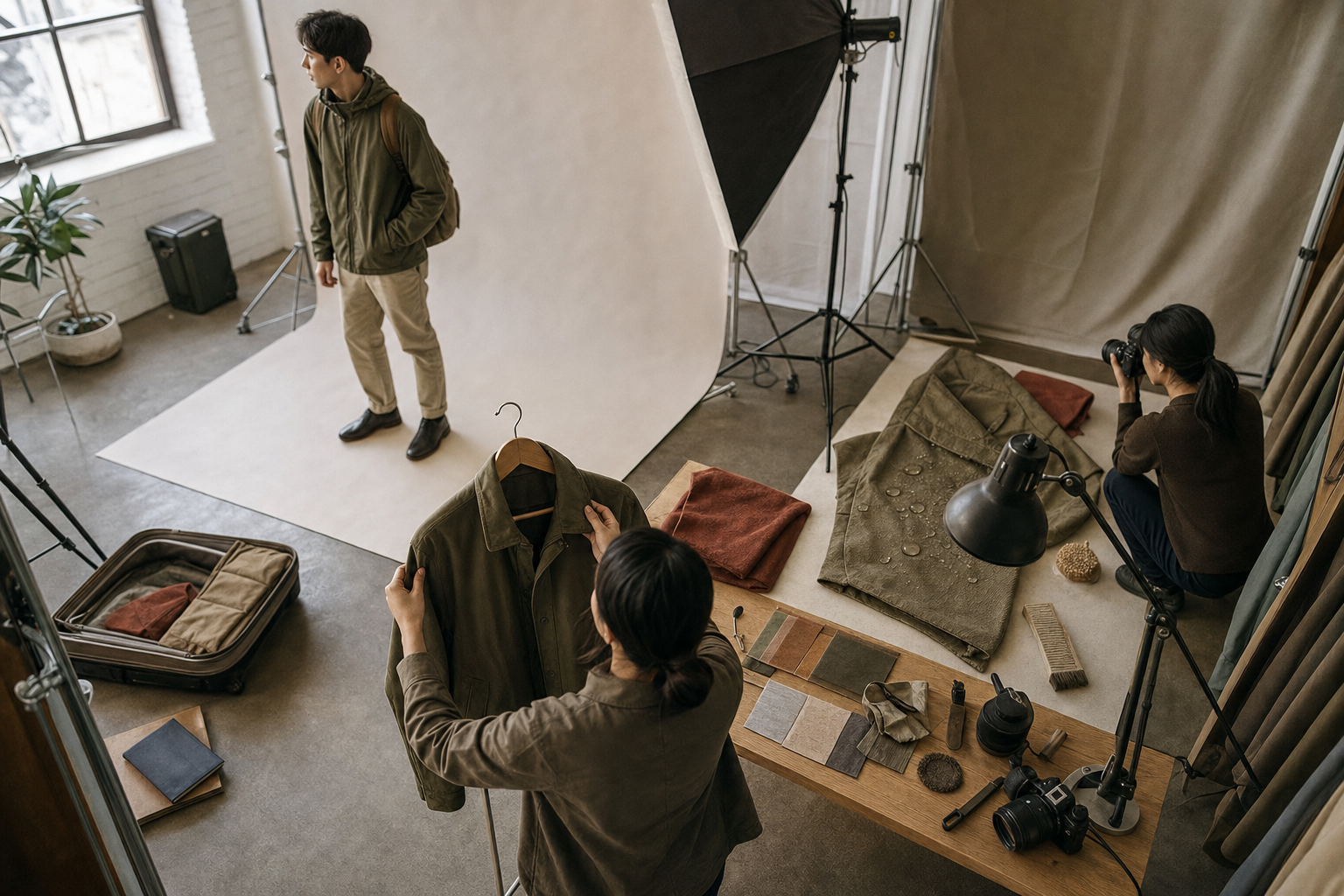
For a company considering a similar direction, the first question is not whether to make a drama, but whether it has enough product differences and situational material to support several connected episodes. Availability must also be separated from announcement: Banana Republic’s case shows that its program launched on TikTok, but it does not promise comparable reach or the same publishing conditions for every brand or market.
A more disciplined approach divides the path into entry, understanding and action. Hypothetically, a lifestyle brand could produce two character-led episodes and connect them to a product page or store experience. It should observe whether viewers can explain the product’s use, whether they take the next step, and how different story situations perform. That distinguishes memory-building entertainment from production spend without a clear job.
Content and merchandising teams should jointly define a testable proposition for each episode, such as whether a character’s use case lowers the effort required to understand the product, rather than treating views as the only answer. The practical lesson is that original programming is a long-term content system, not a one-time purchase of traffic.
Suggested action 1:Build a two-episode-or-more situational-drama test, giving each episode one product-understanding task such as demonstrating material, styling or a usage limit through the plot. This is a proposal, not evidence of an existing engagement or result. Compare episode by episode completion rate, the share of comments correctly mentioning the product use, and the share of viewers visiting product information.
Suggested action 2:Give each episode one follow-up step, such as a hypothetical product page, store experience or saved list, and test different story situations under consistent creative conditions rather than treating views as the sole KPI. Record next-step click-through rate, qualified inquiry rate and drop-off from viewing to the follow-up destination, segmented by content version.
Suggested action 3:Have merchandising, content and channel staff jointly review the serial script, listing product evidence that can be supplied consistently and claims that must not be exaggerated before expanding episodes or behind-the-scenes content. Use the number of verifiable product messages, revision returns after script review and tester accuracy when explaining the product as quality indicators.

Source:Marketing Dive — Banana Republic debuts TikTok content series in bid for younger shoppers(2026-10-22,Taipei time)。Analysis: Millennium Strategy editorial team. Images are AI-created illustrative scenes.
Related reading and services:Influencer and KOL marketing · Creator collaboration and measurement。