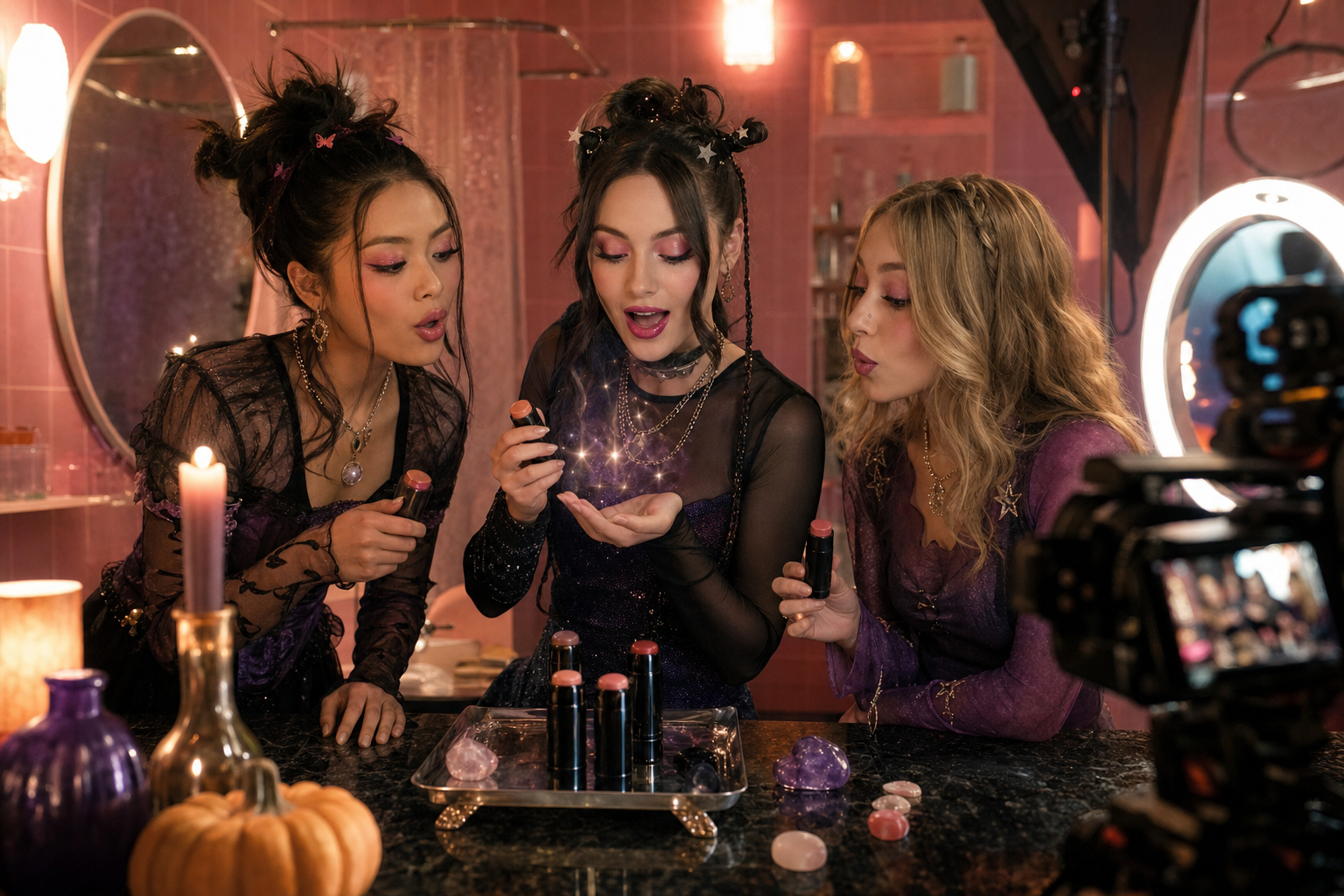
E.l.f. Cosmetics’ in-house entertainment arm, E.l.f. Made, created “The e.l.f.ing Magical Sisters,” using witch-sister references from “Charmed” and “Practical Magic” to frame its Soft Glam Cream Blush and Bronzer Stick in a hero video distributed across YouTube, TikTok and Instagram. This is not merely a more glamorous product shoot: it translates the community’s description of the products as creamy, blendable and “like magic” into Y2K nostalgia, sisterhood and comedy familiar to Gen Z.
According to the report, E.l.f. released a hero video on September 30 starring Priah Ferguson, Keyla Monterroso Mejia and Bebe Wood as sisters who believe E.l.f. products give them magical powers. The brand used a “listen-learn-lean in” approach to community input, connecting comments that the products were creamy, blendable and “like magic” with Gen Z’s interest in 1990s and Y2K culture. Sisterhood and female empowerment also create an entry point for millennials and Gen X who remember that era.
The important shift is that the product benefit is not isolated in an end card; it becomes the premise and comedy engine of the story. The report says the hero video was the brand’s most engaged Instagram post in September, while brand-provided internal sales data for May through September 2026 said half of purchasers of the products were new to E.l.f. Those are reported brand results, not a guarantee for every market. For Taiwanese businesses, the affected functions include social listening, product education, content production and measurement design.
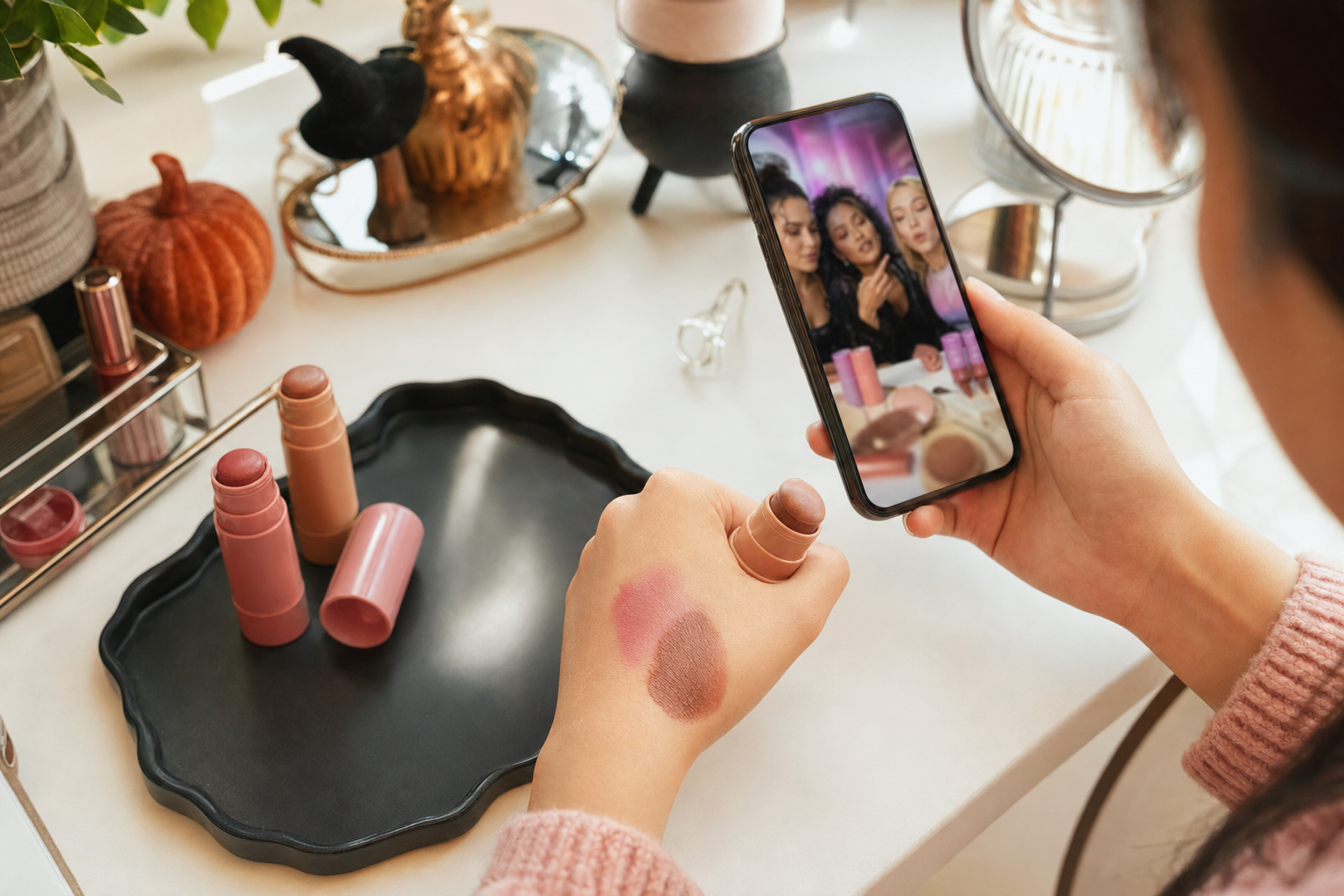
Millennium editorial analysis finds that the most transferable lesson is not witches, Y2K or celebrity casting. It is the preservation of verifiable product language after creative translation. If a brand uses nostalgia only as a visual wrapper, the content may be memorable without explaining why the product matters. If it starts with language people already use about the product and then chooses a cultural entry point that amplifies that language, entertainment can support understanding and trial.
As a hypothetical example, a Taiwanese makeup brand might hear consumers describe a foundation as creating a “soft-focus” effect. It could test two routes: a retro idol-drama-style ad, or a story in which a character solves a concrete everyday concern with the finish before adding a light nostalgic tone. The first tests cultural recognition; the second tests product comprehension. Both are hypotheses to validate, not results from this campaign.
The brand should therefore separate cultural relevance from product understanding. E.l.f.’s in-house entertainment operation enabled speed, while input from talent on and off camera and the creative leader’s teenage daughter helped check the tone. Speed matters, but it does not replace context review. Taiwanese businesses borrowing Korean pop culture, school memories or local festivals should verify that the language belongs to the intended community rather than existing only in the brand’s imagination.
Millennium's view:Millennium editorial judgment: E.l.f.’s most transferable advantage is the speed of turning community-native language into culturally relevant content with product proof. Taiwanese brands should not chase Y2K or witch imagery first; they should verify whether their own consumer language can support a story, a demonstration and a next action. The reason is that a cultural trend can attract attention but cannot automatically educate the market. Only by measuring product benefit, community tone and platform roles separately can a business tell whether engagement reflects entertainment, product understanding or real intent. That creates a more sustainable content capability than copying a visual style.
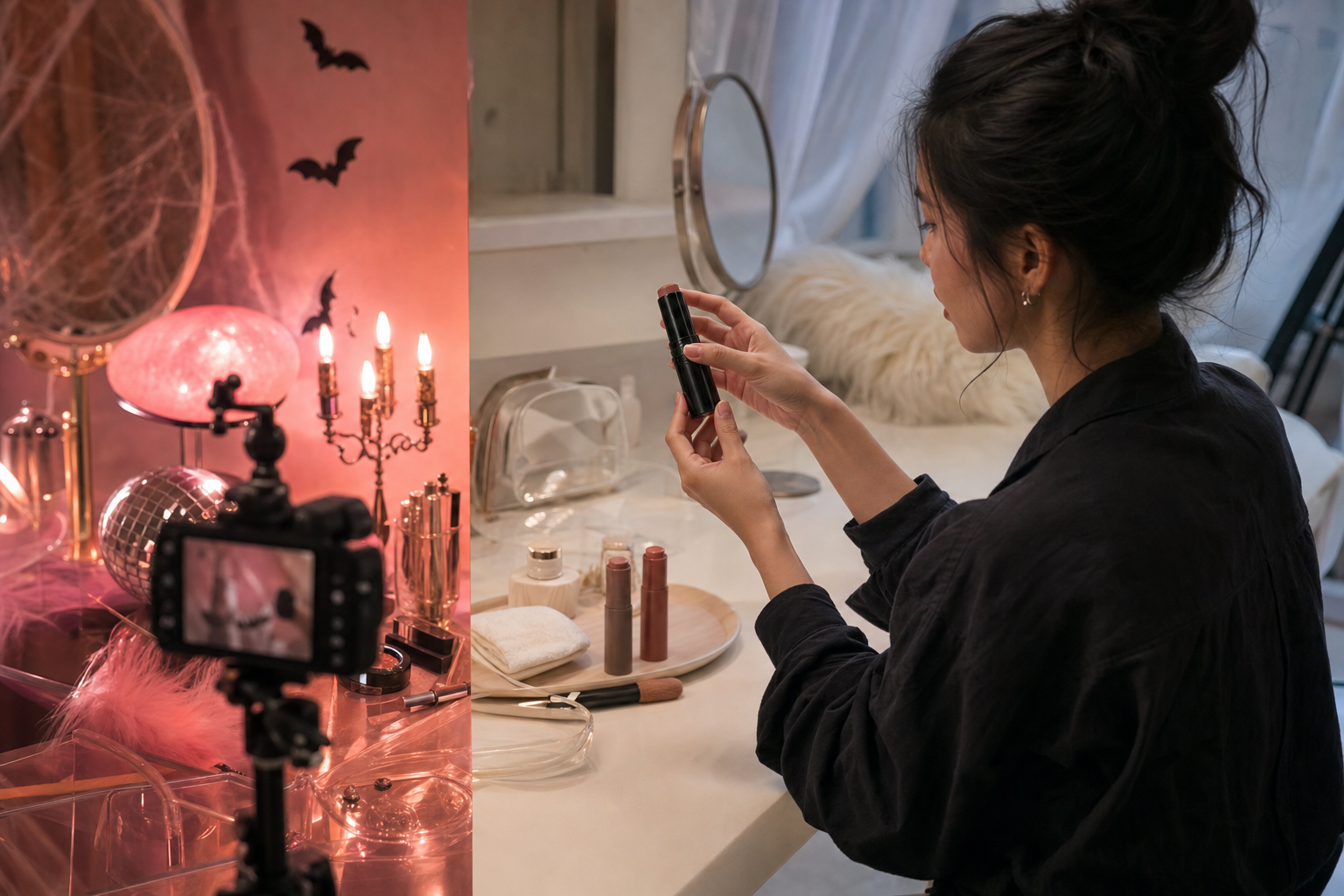
For Taiwanese businesses, the practical question is not whether to make something “like a series.” It is whether one cultural piece can become a learning journey: community comments supply language, the hero video builds emotion, short-form content demonstrates use, and a product page or store supplies the reason to choose. E.l.f.’s campaign ran across YouTube, TikTok and Instagram, giving businesses a reason to assign distinct jobs to each platform rather than mechanically cutting one video into multiple placements.
As a hypothetical example, a skincare or makeup brand using a local festival narrative could use a long video to establish character and context, short clips to answer questions about texture, shade or order of use, and a product page to track meaningful next actions. This does not promise higher conversion; it separates “people liked the story” from “people understood the product.” If social response is strong but product-page engagement and trial behavior do not improve, the brand should revise the bridge content rather than simply buy more reach.
Millennium recommends defining three layers of measurement before production: whether the cultural content is seen and discussed, whether the product benefit is understood, and whether a next-step intention appears. Brand-reported outcomes should also be kept distinct from a company’s own tracking, so one campaign’s engagement is not mistaken for long-term brand growth. The replicable asset is a process that moves quickly from community insight to content and then adjusts through customer behavior.
Suggested action 1:Build a three-column library linking community wording, product benefits and cultural contexts. Select at least three testable statements from existing comments, service records or interviews, then create one story version for each. This is a proposed action, not evidence of a client result or service outcome. For each statement, record its source, product proof and script; after review by a non-creative colleague, they should be able to identify the matching benefit and intended audience.
Suggested action 2:Adapt the long-form cultural video into three short-content jobs—context building, product demonstration and choice explanation—and compare them under broadly similar audience conditions during the same period. This is a proposed test design, not a guarantee of ranking or conversion. Record completion rate, product-information engagement rate and qualified referral rate by content job, producing a task-based difference log rather than relying only on total views.
Suggested action 3:Design a content-to-understanding path on a product page, in a store or at a pop-up trial area, taking people from a short video to texture, usage or choice information. Start with a hypothetical scenario and do not present it as part of the reported campaign. Track engagement, trial or add-to-cart rates after content-sourced visitors reach the information step, and compare them with at least one baseline version without the cultural narrative.
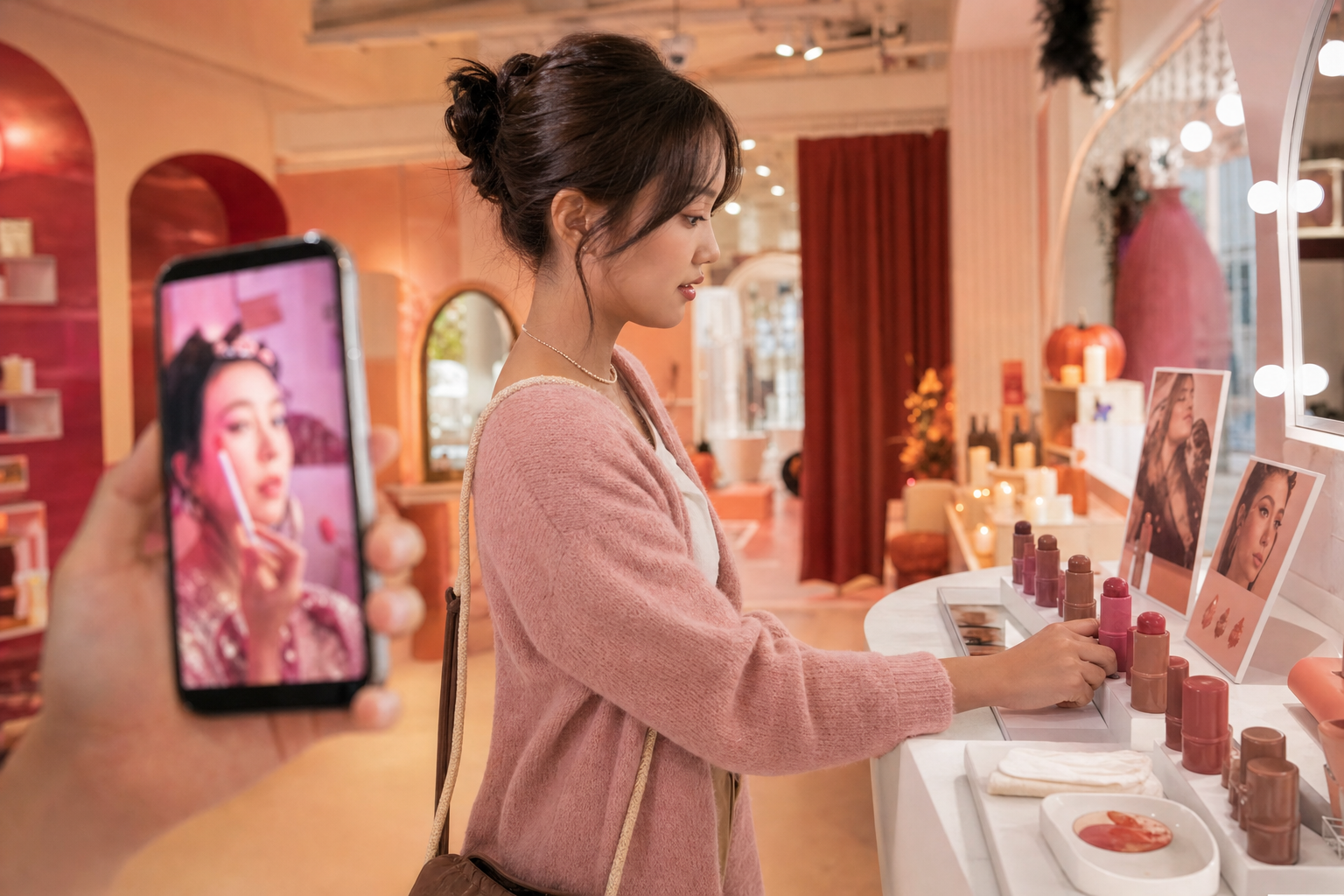
Source:Marketing Dive — Campaign Trail: E.l.f. casts spell to deliver Y2K nostalgia to Gen Z(2026-10-23,Taipei time)。Analysis: Millennium Strategy editorial team. Images are AI-created illustrative scenes.
Related reading and services:Advertising management · Advertising strategy and measurement。