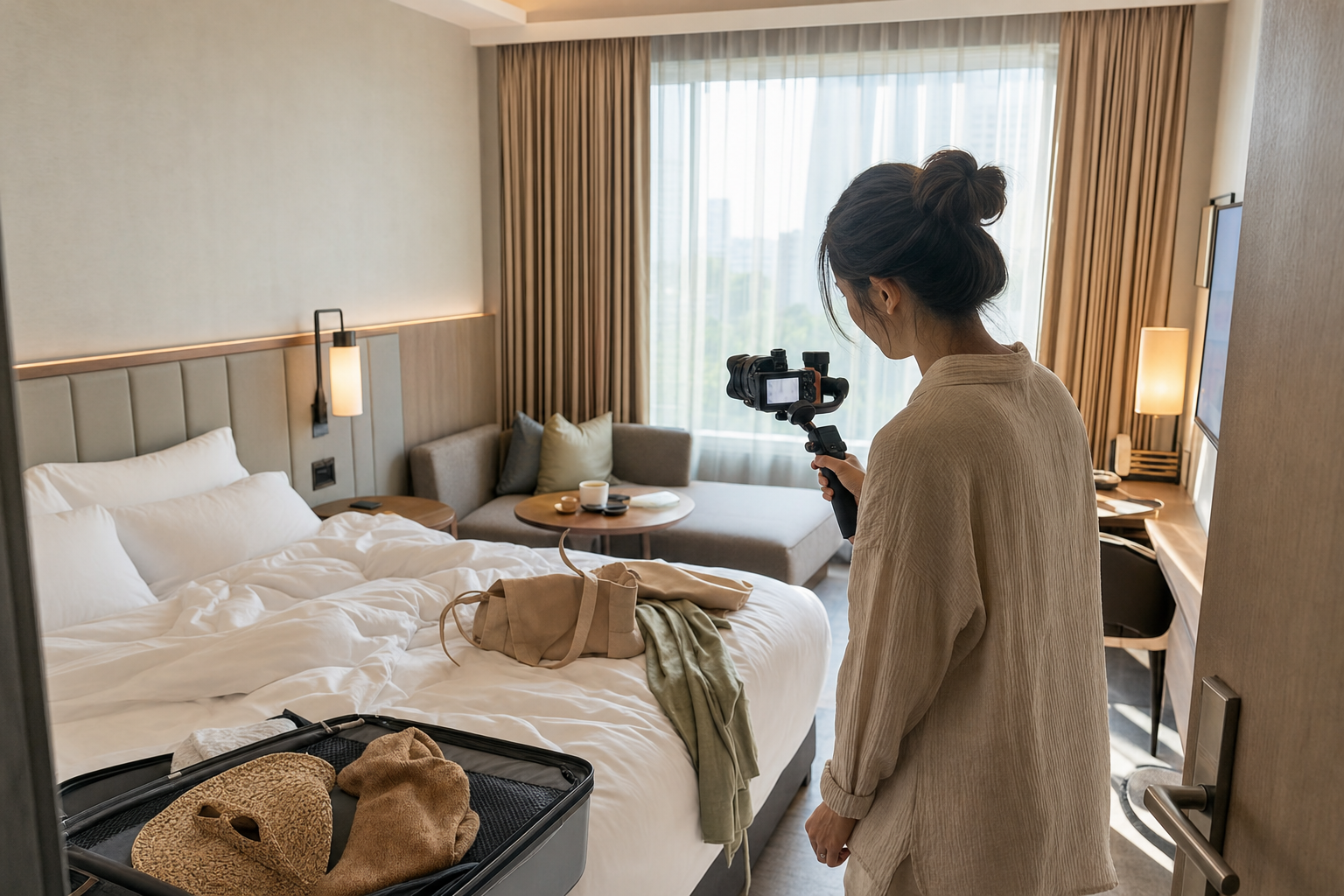
Marriott Bonvoy recently introduced a global brand platform and, through Beautiful Destinations and its creator network, completed content production across 10 countries, 23 destinations and 14 brands in four weeks. Rather than cutting one traditional advertisement into versions, the company worked with creators to shape content around local settings and channel needs.
The report says Marriott Bonvoy’s new brand platform focuses on being present throughout travelers’ life journeys. It produced creator-led content across 10 countries, 23 destinations and 14 hotel brands in four weeks. The campaign began in September and includes out-of-home and in-flight entertainment, while social assets continue into 2027; these are reported arrangements, not proof of simultaneous availability in every market.
For businesses, the meaningful change is that production is no longer simply a headquarters asset followed by channel repurposing. Creators enter earlier and must understand local settings, audience language and channel formats at the same time. Hypothetically, a Taiwanese travel brand promoting an offshore-island trip should not ask only which creator has the largest following. It should ask whether creators in different places can supply credible travel moments while preserving one recognizable brand promise.

Millennium editorial analysis finds that the most useful lesson is not the four-week figure itself, but the operating network and creative boundaries that make speed possible. The report says the brand wanted content to feel more intimate and relatable, including imperfectly arranged sheets or a meal in progress. That can reduce the feeling of advertising, but it can also create differences in quality, brand safety and message consistency.
Taiwanese businesses should therefore treat creator collaboration as more than a one-off media purchase. A workable model is to define non-negotiable brand promises, compliance rules and service information, while giving creators room to shape tone, settings and everyday details. Hypothetically, if a restaurant asks three creators to film the same new dish, the test should measure whether viewers understand when and why to use it—not which video looks most polished.
Millennium's view:Millennium editorial judgment: The core of global creator marketing is not outsourcing content, but incorporating local observation into the brand’s production and measurement system. The Marriott Bonvoy case suggests that scale and authenticity can coexist when the brand fixes essential messages while creators shape local settings and narrative differences. If Taiwanese businesses copy only the speed or chase large creators, they may receive many assets without knowing which ones actually improve understanding or action.
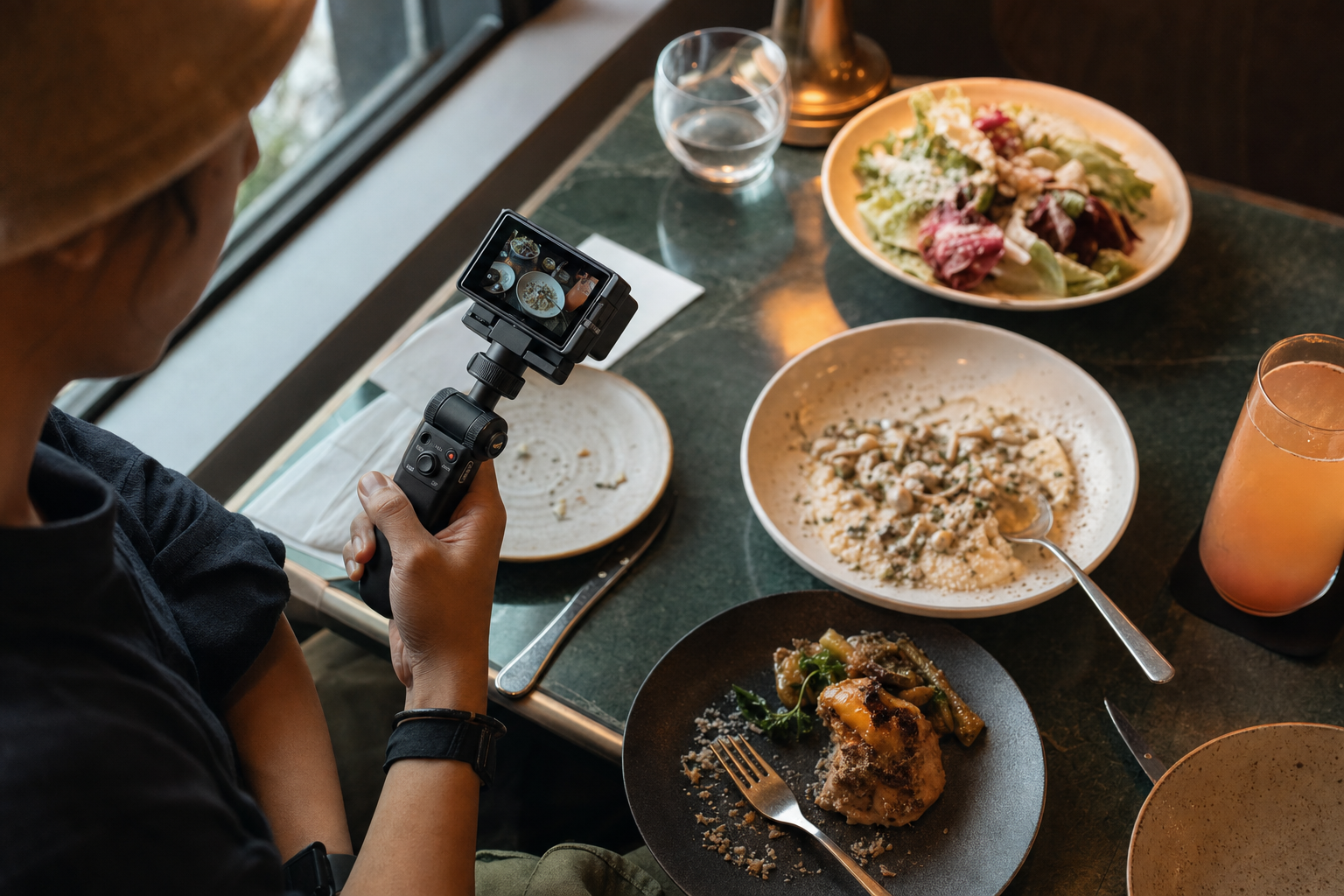
The report says Marriott Bonvoy will assess the work through brand-lift studies, attribution models and media-mix analysis. This is a reminder not to judge creator content by views alone. Businesses should separate content quality, audience response, visits or inquiries and later actions; otherwise quickly produced assets may simply spend budget quickly. When a campaign spans out-of-home, in-flight entertainment and social media, one channel’s result cannot represent the total business effect.
Millennium recommends starting with a small test involving two or three narrative versions. Keep the product promise constant while asking creators to address a functional demonstration, a use case and a local story. Compare them under the same timing and audience conditions, tracking effective viewing, message comprehension, qualified inquiries and the later conversion path. This is a proposed testing method, not a guarantee of results for any brand.
Three practical actions follow. First, create a one-page creator brief covering fixed messages, prohibited claims and areas of creative freedom; measure clarity through rejection rates and revision rounds. Second, select two or three local settings and produce variations around the same promise; compare qualified interactions per thousand effective views and message comprehension. Third, attach trackable inquiry or booking paths and separate source, version and downstream behavior; use source-identification completeness and qualified-inquiry rate to decide whether to scale.
Suggested action 1:Create a one-page creator brief separating fixed brand messages, compliance limits and areas of narrative freedom. Track content rejection rate and average revision rounds to see whether the brief reduces communication costs.
Suggested action 2:Produce creator versions of the same brand promise in two or three local settings, testing them with a small audience before scaling. Compare qualified interactions per thousand effective views and brand-message comprehension across versions.
Suggested action 3:Give each content version a trackable inquiry, booking or visit path, recording source and downstream behavior separately. Use source-identification completeness, qualified-inquiry rate and subsequent-action rate to decide whether to increase investment.

Source:Marketing Dive — How Marriott Bonvoy got scale, speed with global creator-led campaign(2026-10-19,Taipei time)。Analysis: Millennium Strategy editorial team. Images are AI-created illustrative scenes.
Related reading and services:Influencer and KOL marketing · Creator collaboration and measurement。