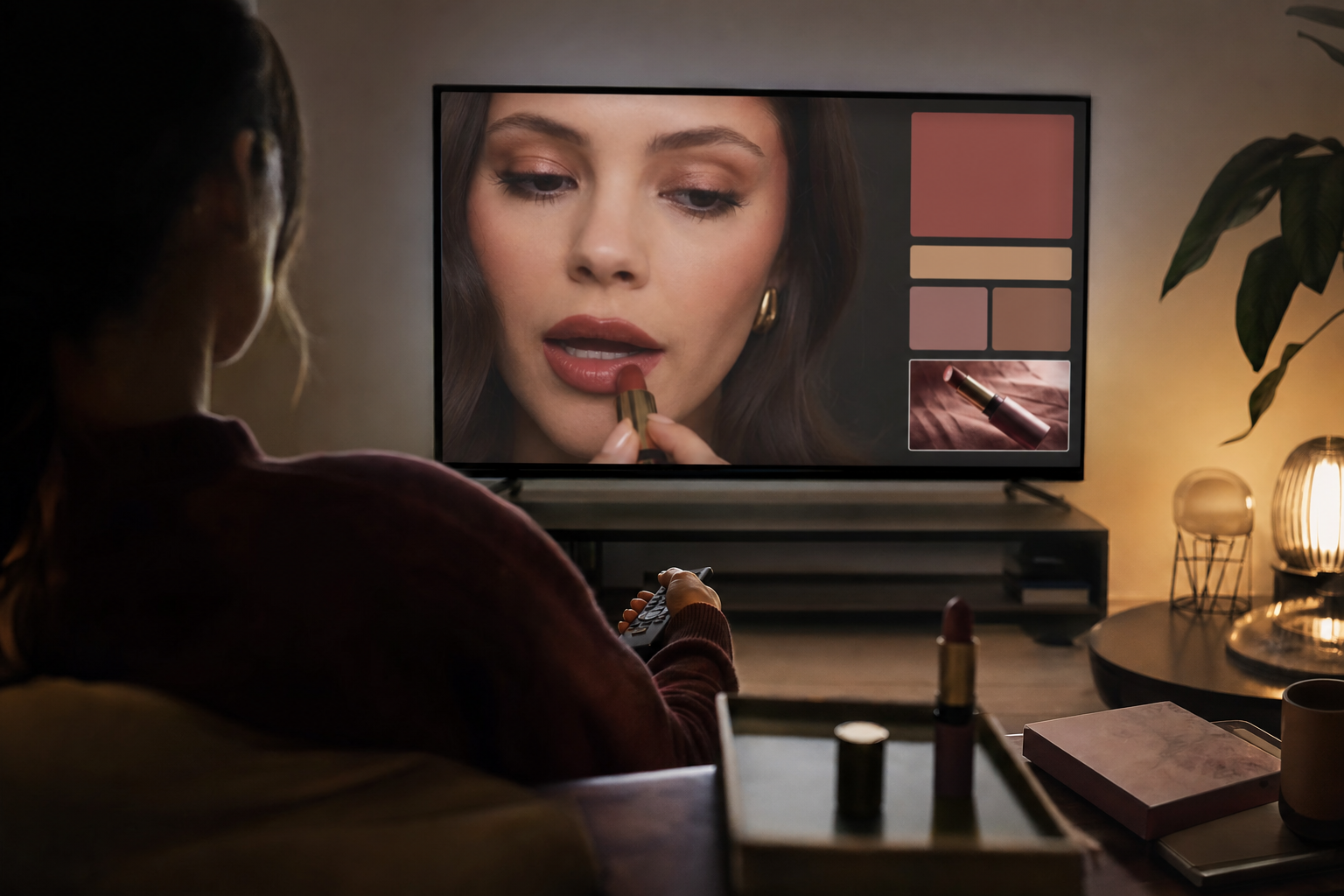
Streaming video is moving from one-way exposure toward ad experiences that can support the next action within the viewing context. The more important lesson for Taiwanese brands is not to chase a new format first, but to ensure that every touchpoint has enough understandable and measurable product information.
At Advertising Week, Amazon described Dynamic TV Creative as a capability that can adjust the format, headline and call to action of Interactive Video Ads according to a viewer’s shopping behavior. Revlon used the ads in June, and data shared by Amazon showed higher click-through rate, branded search rate and return on ad spend than the comparison points. These are case figures supplied by Amazon, not a promise that every market or brand will achieve the same results.
The change affects more than media buyers. Brand-content, e-commerce product-page and measurement teams are also involved. Rather than simply sending people to another page, the ad attempts to offer different next steps while consumers are still watching, based on their likely readiness to buy. Taiwanese businesses should first ask whether the specifications, use cases, reviews and purchase options after a click are strong enough to receive that action.
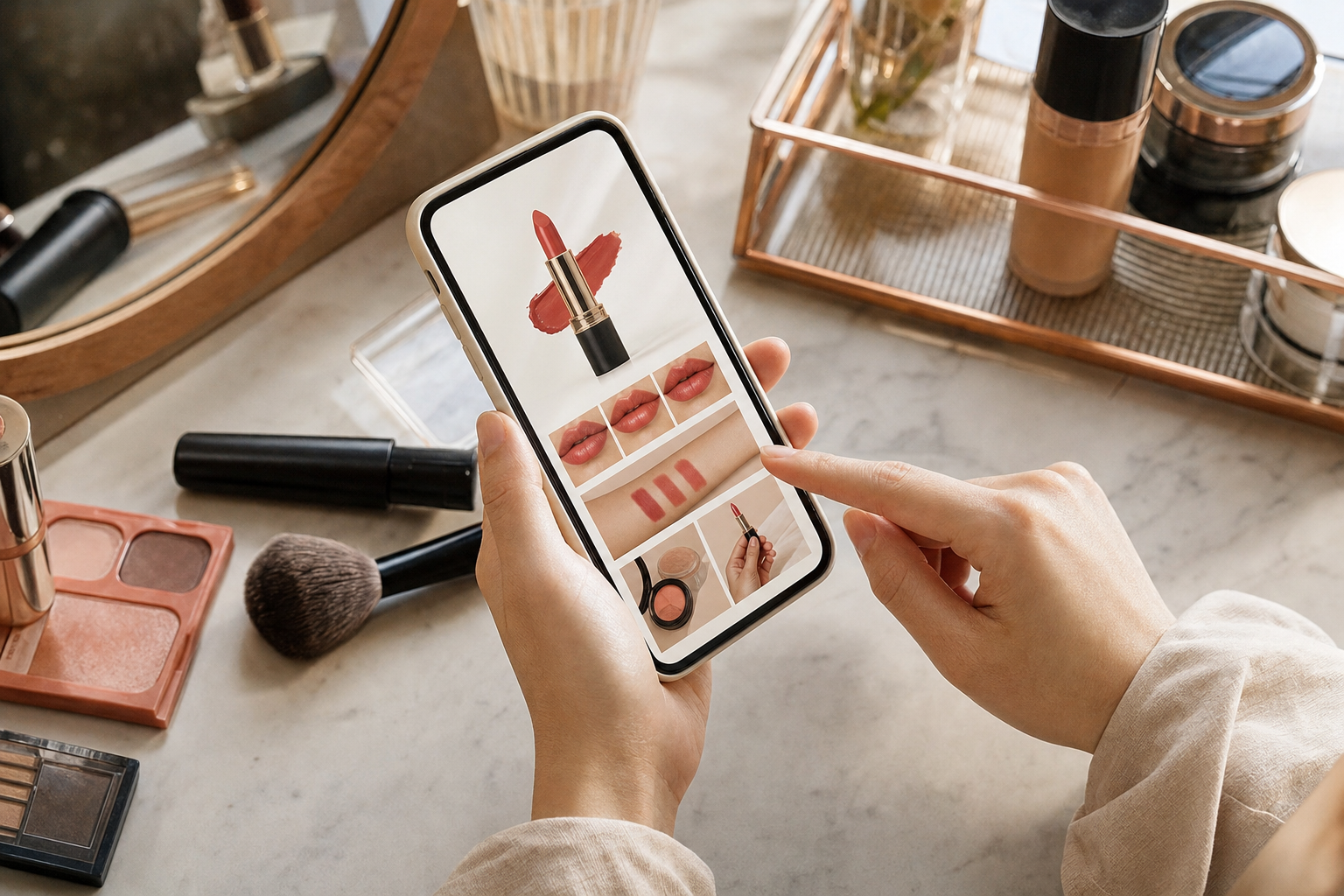
Millennium editorial analysis finds that the most useful lesson is not adding a button to a TV ad, but putting the consumer’s current need before the creative decision. Someone ready to buy may need a clear product entry point, while someone still exploring may need ingredients, differences or use cases. If everyone receives the same urgent sales message, interactivity can interrupt rather than strengthen the brand story.
Businesses should therefore treat interactivity as a hypothesis, not a performance guarantee. A hypothetical example would be a Taiwanese skincare brand testing three routes from the same brand film: learn about skin types, view ingredients, or visit the product page. It could then examine qualified viewing and subsequent behavior for each route rather than treating the highest click rate as purchase intent. The goal is to identify which message reduces understanding cost.
Millennium's view:Millennium editorial judgment: Interactive video is worth testing, but the real advantage lies in connecting consumer states, SKU content and follow-up measurement into a verifiable journey. The Revlon case suggests that an interactive format may shorten the distance between brand storytelling and action. However, the source presents one case and comparison results shared by Amazon, so it cannot establish universal performance. Taiwanese businesses should test need-based routing and information continuity before scaling media, rather than treating a high click-through rate as the strategy itself.

To evaluate a similar approach, a business must ask more than whether an interactive ad format is available. It should audit whether product data is consistent, whether video assets can provide several clear routes, and whether the website or commerce page can distinguish visitors arriving from different messages. In categories such as beauty, travel and appliances, information gaps may sit between the ad, product page and customer-service response.
This also explains why the case connects product-detail pages with content that can be understood by AI systems. As consumers and machines ask more specific questions, brands need SKU-level organization of specifications, conditions of use and limitations. The answer is not to put everything into the ad, but to let the ad, product page and later search answer different questions while a consistent measurement design checks whether the journey connects.
Suggested action 1:Take one existing video asset and create two or three need-based routes, such as learning specifications, viewing use cases and visiting the product page, then compare them in a limited test. Track qualified viewing, product-page engagement and subsequent add-to-cart or inquiry rates for each route under the same period and audience conditions.
Suggested action 2:Audit information for priority SKUs and check whether specifications, conditions, limitations and use cases are consistent across video, product pages and customer-service responses. Sample a group of priority SKUs and record field-completion rate, the number of contradictions and the proportion of inquiries requiring customer-service clarification.
Suggested action 3:Set trackable sources and downstream events for each video route, separating branded search, product-page engagement, inquiries and purchases instead of relying only on clicks. Compare each route’s weekly progression from viewing to search, page engagement, inquiry and purchase, while recording the share of un attributable or missing data.

Source:Marketing Dive — How Revlon used Amazon’s interactive video ads to drive outcomes(2026-10-08,Taipei time)。Analysis: Millennium Strategy editorial team. Images are AI-created illustrative scenes.